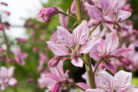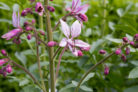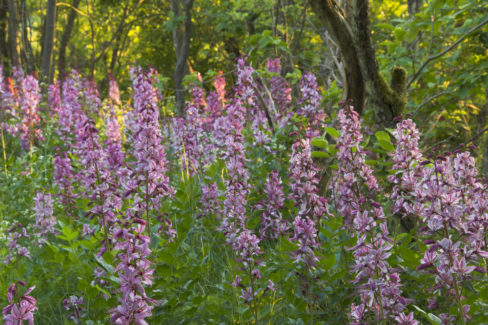
The Dittany, a member of the rue family, is naturally right at home in dry meadows and along the sparse edges of forests. Because it’s a protected species in the wild, you should never pick it or try to dig it up from its natural habitat. The good news? It’s been cultivated for home gardens, and if you find the right spot for it, this plant will reward you for years with its gorgeous, fragrant light-pink blooms.
What Makes Dittany So Special?
Dittany usually reaches a height of about 3 to 4 feet. From late May through July, it shows off stunning clusters of pale pink flowers on sturdy stems. These blooms give off an intense citrus scent and release essential oils that can actually ignite on super hot days! If you’re lucky, you might see tiny blue flames flickering around the plant at twilight. This cool phenomenon is exactly why it’s nicknamed the “Burning Bush.” Don’t worry, though—the quick flash of fire doesn’t hurt the plant at all.
Finding the Perfect Spot
Dittany loves a sunny, dry spot where it can stay put and undisturbed for years. It’s a perfect fit for:
- Open garden spaces
- The edges of wooded areas
- Dry meadow gardens
- Rock gardens
- Heathlands
Choose your location carefully! Dittany is a bit of a homebody and really hates being transplanted. You can plant it in the spring or fall, just make sure to give each plant about 20 inches of space. This gives it plenty of room to spread out and get established.
Soil and Maintenance
This perennial needs dry, well-draining soil to thrive. Ideally, your soil should be:
- Deep and loose
- Calcareous (alkaline)
- pH level between 8 and 10
- Low in nutrients
- Humus-rich but mineral-heavy
If your garden soil is naturally damp, Dittany won’t be very happy. You can help it out by adding a drainage layer of coarse gravel or expanded clay. Other than that, it’s a pretty low-maintenance guest. Since it prefers sparse, dry ground, you only need to water it during those really scorching summer stretches with no rain. When you do water, aim for the roots and try to keep the leaves and flowers dry. If you want to fertilize, a little fresh compost in the spring before new growth starts is plenty.
In the early spring, before the new shoots appear, cut your “Burning Bush” back to about 8 inches. You can remove any dry or diseased stems entirely, but avoid any other heavy pruning—the plant doesn’t handle it well. It’s also quite hardy, surviving temperatures down to -4°F, so it doesn’t need extra winter protection. Feel free to leave the seed heads on through the winter; the local birds will appreciate the extra snack!