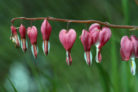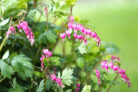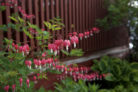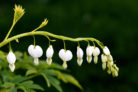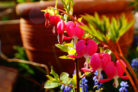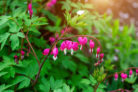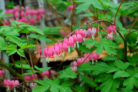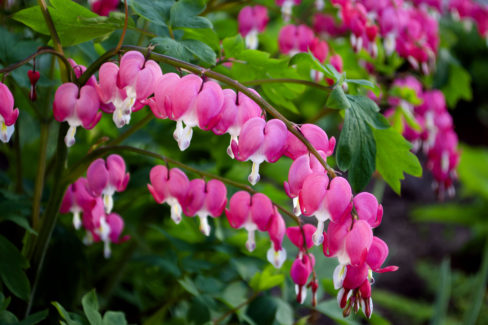
Bleeding Hearts originally hail from the bright deciduous forests of China and Korea. They made their way to England several hundred years ago, and from there, they quickly became a European favorite. Today, they’re a classic staple in cottage gardens everywhere.
The Basics
The Bleeding Heart (Lamprocapnos spectabilis) is actually a member of the poppy family, and it’s important to know that all parts of the plant are toxic. If you have curious kids or pets, make sure to plant them in a spot that’s out of reach. It’s also a good idea to pop on some gardening gloves when you’re handling them to avoid any skin irritation.
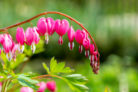
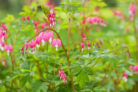
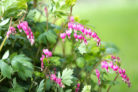
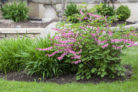
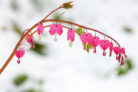
These plants are surprisingly hardy and robust, growing up to 32 inches tall and about 24 inches wide. You’ll want to give each plant about five square feet of space in your garden bed. In early spring, you’ll see reddish shoots and leaves popping up. Soon, those iconic arching stems develop, draped with pink and white heart-shaped blooms. The bright green foliage is delicate and fern-like, and by mid-May, you’ll have a spectacular floral show.
Planting Your Bleeding Heart
The best time to get your Bleeding Heart in the ground is early spring. Even though the plant is winter-hardy, those first tender shoots are sensitive to late frosts. It’s a smart move to protect them with some brushwood or mulch from April through early May. Before you dig, make sure you’ve found a spot that meets these “happy plant” requirements:
- Protected from heavy winds
- Partial shade (dappled sunlight is perfect)
- A spot that doesn’t get too scorched in the summer heat
- Fresh, humus-rich soil
- Good drainage
- Consistently moist, but never soggy
- Low lime content
How to Plant
We plant in the spring so the Bleeding Heart has plenty of time to establish a strong root system before winter hits. Dig a hole large enough for the root ball to sit comfortably without being cramped. As you fill the hole back in, mix in a little compost to give it a nutrient boost. Gently press the soil down and give it a good, thorough watering.
Ongoing Care
One of the best things about Bleeding Hearts is how low-maintenance they are. During the blooming season, just snip off any faded flowers so the plant doesn’t waste energy producing seeds. If the summer gets particularly hot and dry, give it a little extra water. Every two years, work some compost into the soil in early spring before the new growth starts—that’s usually all the fertilizer they need! Once the plant goes dormant in the fall and the leaves turn yellow, you can cut them back close to the ground. If it’s a young plant in its first year, a little winter protection like a layer of evergreen boughs will go a long way.
Growing in Containers
If you’re short on garden space, you can definitely grow Bleeding Hearts in pots. Just make sure the container is large enough! Start with a layer of broken pottery or gravel at the bottom for drainage to prevent root rot. Use a high-quality, nutrient-rich potting soil and keep a close eye on moisture—pots dry out much faster than the ground, especially in summer. Container plants also appreciate a regular dose of liquid fertilizer. Just a heads-up: potted Bleeding Hearts usually won’t grow quite as bushy or bloom as heavily as those planted directly in the garden.