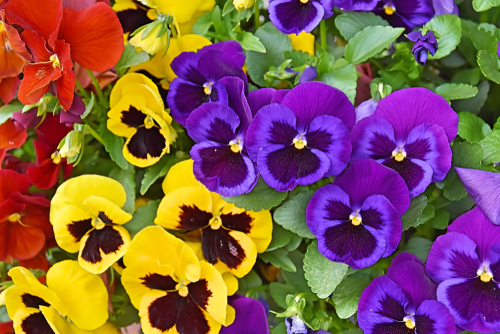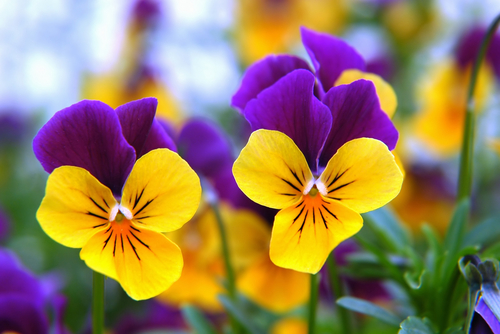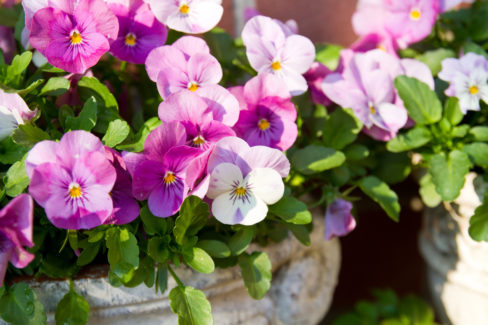
Johnny Jump-ups (Viola cornuta) are some of the first friendly faces we see in the garden each spring. If you pick the right spot and keep them happy, you might even get a second flush of blooms in the fall. While they usually take a little nap during the winter, they’ve been known to bloom straight through a mild season! But does all that flower power mean they’ll stick around for years to come?
Are Johnny Jump-ups Annuals or Perennials?
Even though these little guys work overtime producing flowers, most varieties are actually biennial (meaning they live for two years). By the second year, you might notice they lose a bit of their spark and don’t bloom quite as much. Don’t beat yourself up—it’s usually not your gardening skills! It mostly comes down to genetics. If a variety has more “wild violet” DNA, the flowers stay small but the plant lives longer. If it’s been bred with more pansy genetics, you’ll get those big, showy blooms, but the plant wears itself out and usually gives up the ghost after two seasons. That said, with a little extra TLC, you can actually keep them going for several years.
How to Help Your Violas Live Their Best (Longer) Life
These early bloomers survive the winter thanks to their rhizomes—those creeping underground rootstocks. That’s where the magic happens when new growth pops up in the spring. Left to their own devices, they might only last a year or two, but if you want to keep them around, follow these pro tips:
- Keep them hydrated with regular watering
- Go easy on the fertilizer
- Divide the plants every two years
Because they put so much energy into blooming, they literally exhaust themselves. Dividing them is like a spa day for your plants—it rejuvenates them! Just dig them up in the spring or fall, gently pull them apart, and replant them in a sunny spot with some fresh compost or fertilizer.
Winter Protection
Most Johnny Jump-ups are pretty frost-hardy. However, if you’re facing a “black frost” (freezing temps without any insulating snow) or a particularly brutal cold snap, they’ll appreciate a little blanket. You can loosely cover them with:
- Brushwood or twigs
- Dry leaves
- Pine or spruce branches
- Garden fleece
Pruning for Success
If you want your violas to go the distance, give them a haircut after that first big spring bloom. Cutting them back by about half encourages them to grow back thicker and bushier. It even jump-starts more flower production, which is how you get those gorgeous bonus blooms in October or November if the weather stays mild!