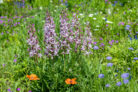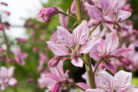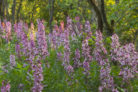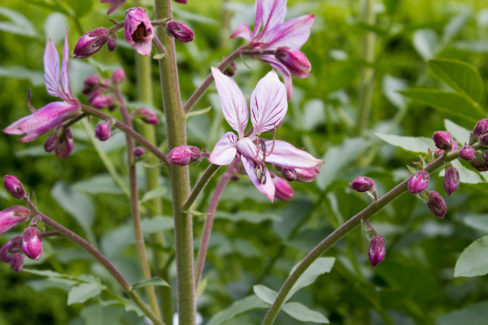
Meet the Burning Bush (Diptam)—a low-maintenance flowering beauty that absolutely thrives in full sun and poor soil. A member of the rue family, this plant is actually protected in the wild, but thanks to its stunning blooms, it’s become a total favorite for home gardeners. Because it looks so impressive and requires so little effort, it’s only natural that you’d want more of it in your yard!
Propagating Your Burning Bush
This plant feels right at home in lean soil and is a perfect fit for rock gardens or dry meadows. When planted in groups, it’s a real showstopper. If you want to expand your collection, there are two main ways to propagate it yourself:
- Propagation by division
- Propagation by seed
Division
The best time to divide your perennials is either in early spring or late fall. A quick heads-up, though: your Burning Bush needs to be at least three years old before you try this, or it might not handle the stress well. Start by digging up the entire plant and exposing the rhizomes (the thick roots). Use a sharp spade to split them, making sure each section has several “eyes”—those are the little buds on the rhizome where new shoots will sprout. Plant your new sections deep in their new home. Choose a sunny spot with loose soil, and I highly recommend mixing in some coarse gravel or expanded clay first to ensure great drainage.
Sowing Seeds
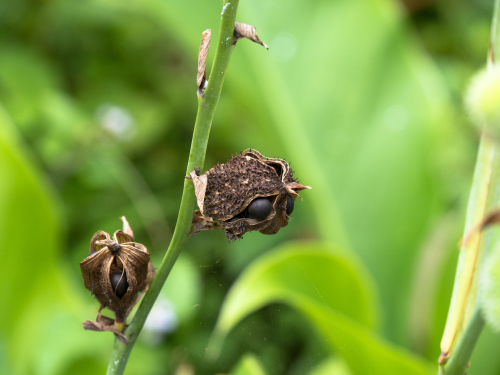
If you already have a Burning Bush, you can harvest your own seeds; otherwise, just grab a packet from your local garden center. Here’s the game plan for growing from seed:
- Burning Bush seeds are “cold germinators,” meaning they need a chilly period to wake up. If you’re planting in the spring, you’ll need to stratify them first by keeping them in the fridge for a while.
- If you harvest seeds directly from the plant in the fall, you can tuck them straight into the ground. Mother Nature will take care of the cooling process for you over the winter.
- For indoor starting, take your stratified seeds and scatter them onto loose, nutrient-poor soil.
- These seeds are “light germinators,” so don’t bury them! Just give them a very thin dusting of sand so light can still reach them.
- Be patient—germination takes about 180 days at temperatures between 45°F and 55°F (8-12°C).
Once your seedlings are strong enough, you can transplant them to their permanent home (think sunny, dry, and lean soil). Just a pro-tip: keep a close eye on them early on, as slugs and snails find the young plants delicious!