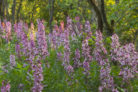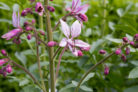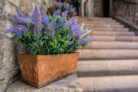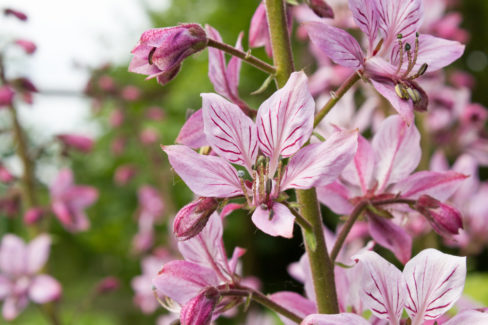
Ever heard of the “Burning Bush”? No, I’m not talking about the Bible story—I’m talking about Dittany (*Dictamnus albus*). This stunning member of the rue family is actually a protected species in the wild, usually found soaking up the sun on dry forest edges or rocky meadows. But here’s the cool part: you can totally grow this showstopper in your own backyard! With its feathery leaves and gorgeous spikes of pink flowers, it’s a real head-turner. Plus, it smells amazing, like a fresh burst of lemon. The “Burning Bush” nickname comes from the essential oils it releases on hot summer days; they can actually catch fire if you hold a match near them (though I’d recommend just enjoying the scent instead!).
Planting Your Dittany
Dittany is a sun-worshipper. It loves a sunny spot in open areas, near the edges of trees, or in rocky steppe-style gardens where it can sit undisturbed for years. When it comes to soil, this plant is a bit of a minimalist. Here’s what it’s looking for:
- Excellent drainage: This is a must. Dittany absolutely hates “wet feet” (soggy roots).
- Dry conditions: It thrives where other plants might wilt.
- Alkaline soil: It loves lime, with a pH between 8 and 10.
- Low nutrients: No need for super-rich potting soil here!
Getting it in the Ground
The best time to plant is either in the spring or fall. Just a heads-up: store-bought plants can be a little finicky about moving to new soil. If you’re brave enough to grow Dittany from seed, try using a bit of soil from its permanent garden home right from the start. Before you tuck your young plants into the earth, consider adding a drainage layer of expanded clay or coarse gravel to the bottom of the hole—remember, drainage is key! Give them plenty of elbow room (at least 20 inches apart) so they can spread out. Water them in lightly, and definitely put up some slug protection, as those garden pests love the young shoots.
Watering and Fertilizing
The Burning Bush is a low-maintenance dream. It’s perfectly happy in lean, dry soil. You’ll only need to give it a drink during those brutal mid-summer heatwaves. When you do water, aim right at the base of the plant; the leaves and flowers aren’t big fans of getting wet. As for food? A little compost scratched into the soil in the spring is all it needs. Skip the heavy fertilizers!
Ongoing Care
In the early spring, before the new growth starts popping up, give your Dittany a quick trim down to about 8 inches. You can clear out any totally dead stems while you’re at it, but otherwise, it’s a “hands-off” kind of plant.
Since Dittany is plenty hardy for our winters, you don’t need to worry about frost protection. Leave the faded stems and seed heads alone through the winter—not only do they look beautiful covered in frost, but they also provide a great snack for local birds!