With the right TLC, butterfly bushes are usually tough as nails and resist most diseases. However, if your shrub gets stressed out by a missed pruning session or a stretch of nasty weather, it can start to show some weakness. There are two main culprits you should keep an eye on. Here’s the lowdown on what to look for and how to get your garden back on track.
“Downy Mildew” and Wet Weather Woes
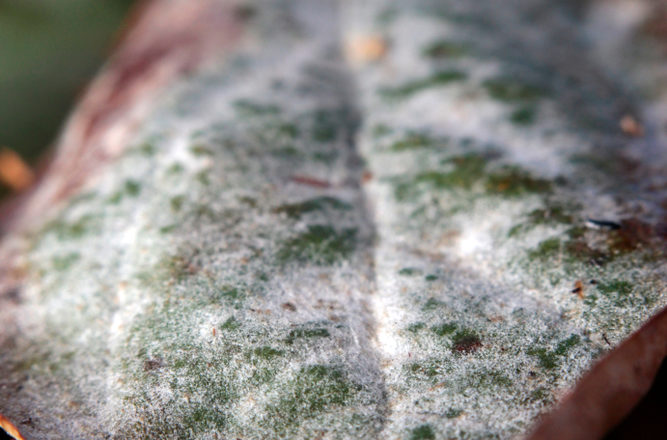
Your butterfly bush is at its happiest when it’s soaking up the summer sun. It’s definitely not a fan of long, cold, rainy spells, which is when sneaky fungus spores like to strike. “Downy Mildew” is a common issue that shows up as a fuzzy gray coating on the undersides of the leaves. Meanwhile, you’ll notice yellow spots or patches popping up on the tops of the leaves.
Here’s how to kick mildew to the curb:
- Snip off all infected parts of the plant and toss them in the trash (don’t compost them!).
- Give the shrub a good spray with a natural remedy, like horsetail tea, and repeat as needed.
- Stop using high-nitrogen fertilizers for a while.
- When watering, aim directly at the base of the plant. Avoid getting the leaves wet at all costs!
- Finish off with a fresh layer of mulch using leaves, bark, or dried grass clippings.
By the way, if things get really bad, you can find various fungicides at your local garden center (look for products containing sulfur or copper). To prevent this from happening again, make sure your bush is in a sunny, breezy spot where the air can circulate freely.
“Narrow Leaf” Virus: Act Fast!
When a butterfly bush catches a virus, it’s a bit tougher to fix. The goal here is damage control—you want to stop the spread before it takes over. If you notice the leaves on your shrub starting to curl up tight, there’s a good chance it’s a Tombusvirus infection. This is often called “Narrow Leaf” disease, and you’ll usually see a yellow mosaic pattern on the foliage along with that curling.
If you spot these symptoms, here’s your game plan:
- If you catch it early, give the shrub a radical pruning, cutting it back to about 8 inches from the ground.
- Cut back on the nitrogen fertilizer.
- Be extra diligent with your care routine from here on out (consistent watering and balanced feeding).
If the new growth comes back curled and yellow again, I’m afraid the plant is likely a goner. At that point, the best thing to do is dig it up entirely. Be sure to throw all the plant debris in the household trash—not the compost pile—so the virus doesn’t hang around to infect your other garden favorites!