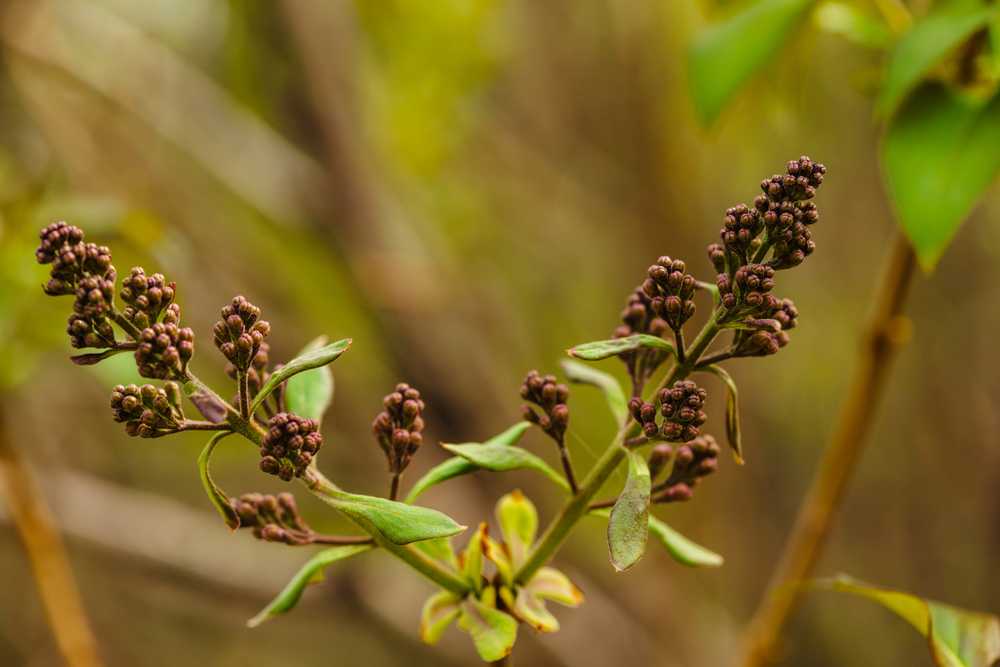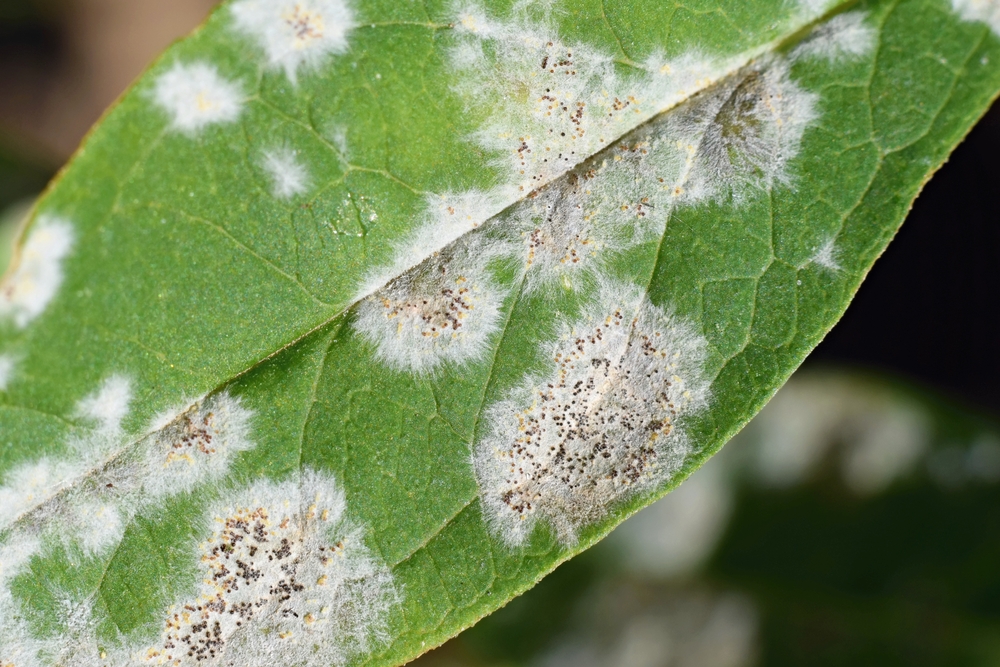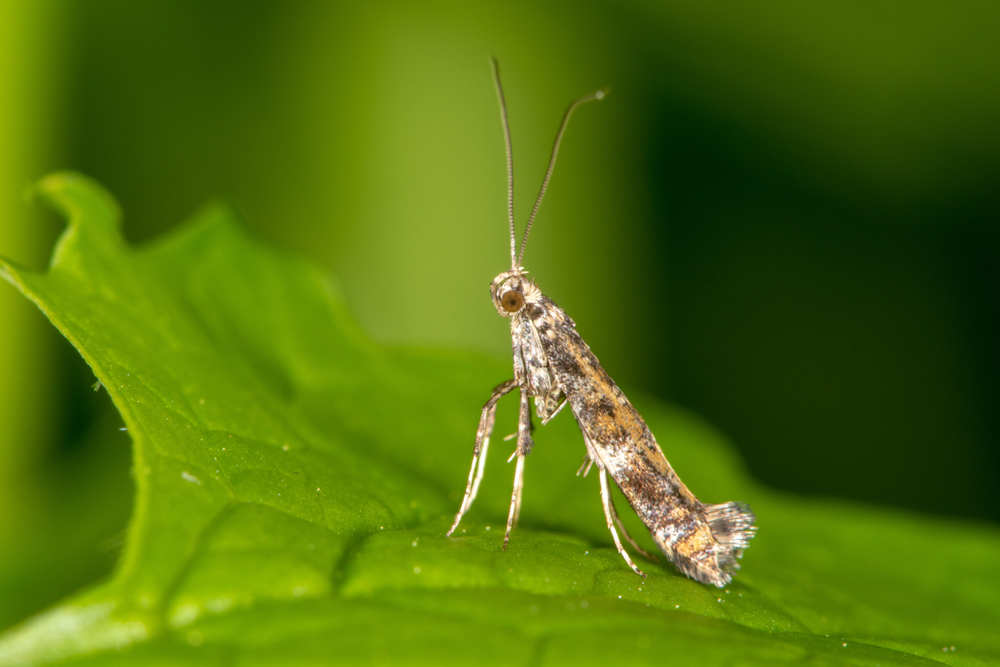
Generally speaking, lilacs are pretty tough customers when it comes to diseases and pests. However, it’s still a good idea to give your bushes a close look every now and then. If you start noticing brown spots on the leaves, you might be dealing with a common culprit: the lilac leafminer.
How to Spot a Lilac Leafminer Infestation
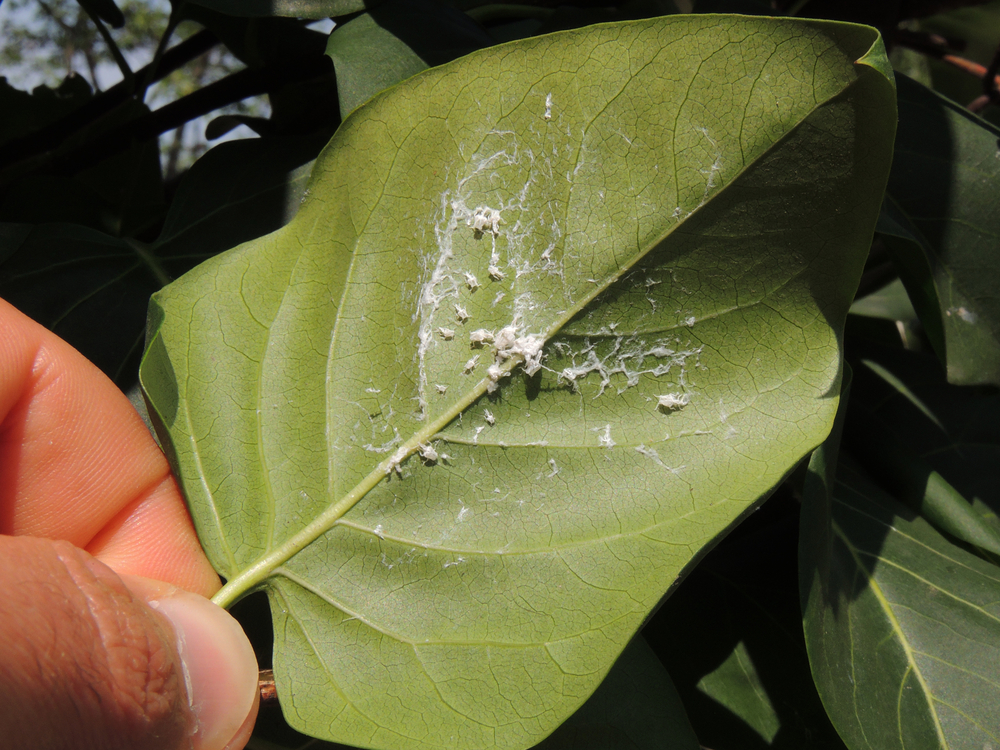
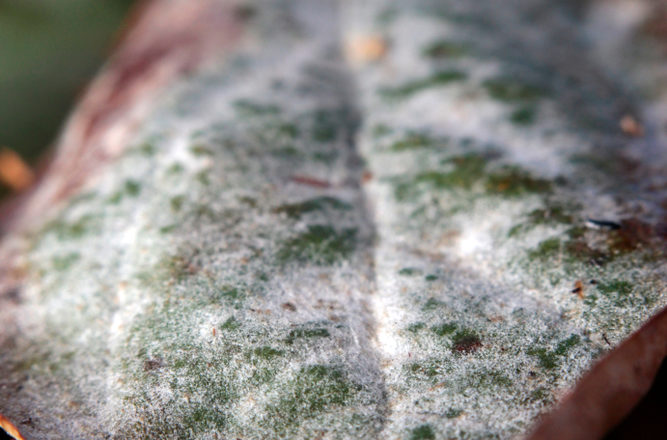
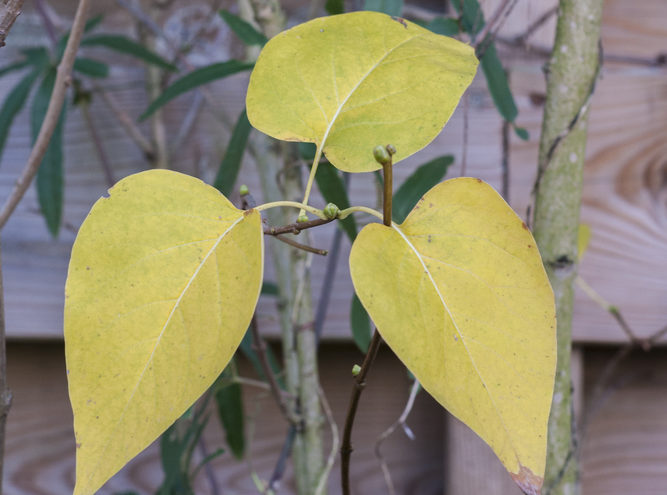
The first signs of a lilac leafminer (Xanthospilapterix syringella) usually pop up in early summer. You’ll notice large, brown patches on the lilac leaves. These spots usually have an irregular shape and can look a bit shriveled or puckered. If you take a closer look—maybe even grab a magnifying glass—you’ll spot tiny, greenish-white caterpillars about a quarter-inch long. As they get older, they tend to turn a brownish color.
These little guys eat their way through the inside of the leaf, creating what we call “mines.” At first, these tunnels look like light green streaks, but they eventually expand into larger blotches or blister-like spots. As the damage progresses, the leaves will start to roll downward from the tips, eventually becoming stunted and dying off completely.
Life Cycle and How to Manage the Pest
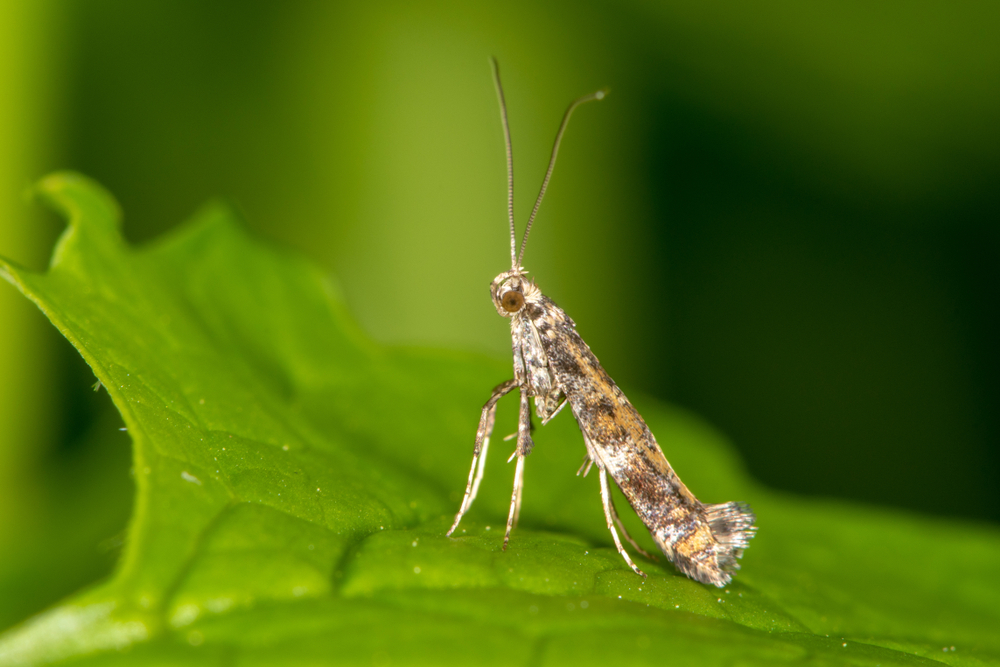
This pest spends the winter as a pupa in the soil. Around April, the first moths emerge and start laying their eggs on the undersides of the leaves. Once the eggs hatch, those greenish-white caterpillars get right to work tunneling into the foliage. After they’ve finished growing, they eat their way back out. The reason you see those characteristic rolled leaves is actually due to the silk threads the moths produce to curl the leaf around themselves.
Lilacs aren’t the only plants on the menu; these leafminers also enjoy forsythia, snowberry, and ash trees. The intensity of an infestation can vary from year to year. In fact, it’s pretty common to miss the first generation entirely because the damage is usually minimal in the first year. By the second generation, however, the damage is much more obvious and can really ruin the look of your shrub. Luckily, by that point in the season, the plant is usually getting ready for dormancy anyway.
You really only need to step in if the infestation is severe right out of the gate. If you’re worried the lilac is taking too much of a hit, it’s a good idea to check with your local extension office or garden center for a recommended treatment. As a preventative measure for next year, you can spray your lilac with Neem oil (derived from the seeds of the neem tree) before the new buds break. Usually, that’s all it takes to keep things under control!