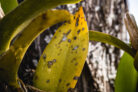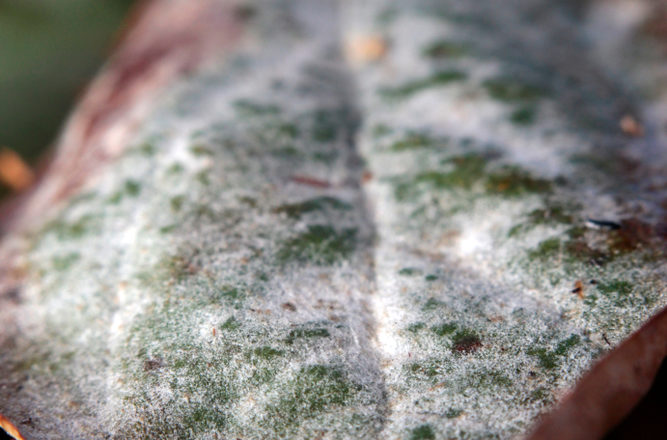
Even though lilacs are usually pretty tough and resilient, they have a bit of a weak spot: fungal infections. Usually, a fungus takes hold because of a bad planting spot, a little too much “tough love” during maintenance, or—the most common culprit—dirty garden tools. If your lilac is looking a little under the weather, don’t worry! Here’s the lowdown on how to handle it.
How to Lower the Risk of Fungal Issues
First things first: location is everything. Lilacs love a breezy, sunny spot where the air can circulate. They also prefer their soil on the drier side rather than sitting in soggy “wet feet.” When it’s time for a trim, make sure your pruning shears are razor-sharp and sterilized. A quick wipe-down with rubbing alcohol does the trick perfectly.
One of the fastest ways to spread disease is through dirty tools or messy cuts. Never rip or tug at the branches; you want clean, crisp snips. The cleaner the cut, the faster it heals, leaving less room for bacteria or fungi to sneak in. Before you head out to the garden, make sure to disinfect anything that’s going to touch your lilac, including:
- All types of hand pruners and loppers,
- Garden knives,
- Tree saws or folding saws.
How to Spot and Treat Lilac Fungus
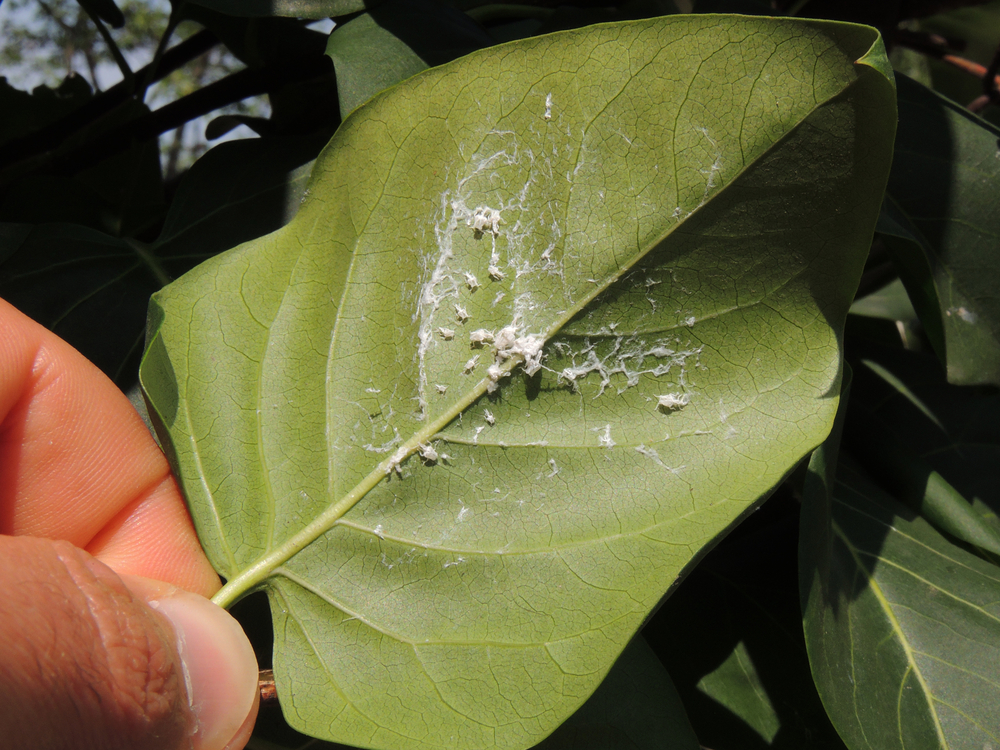
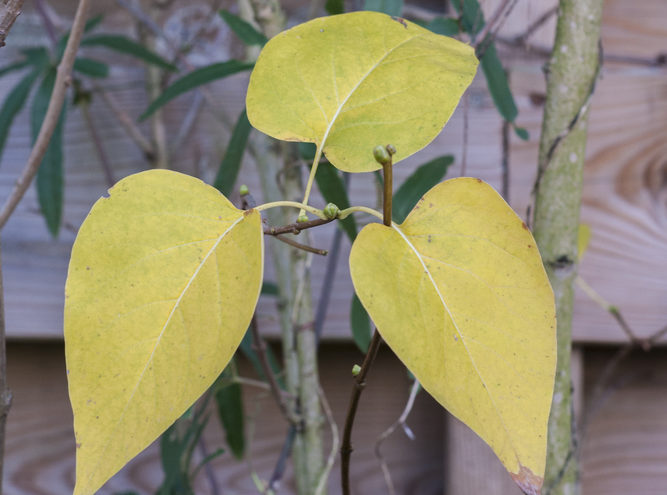
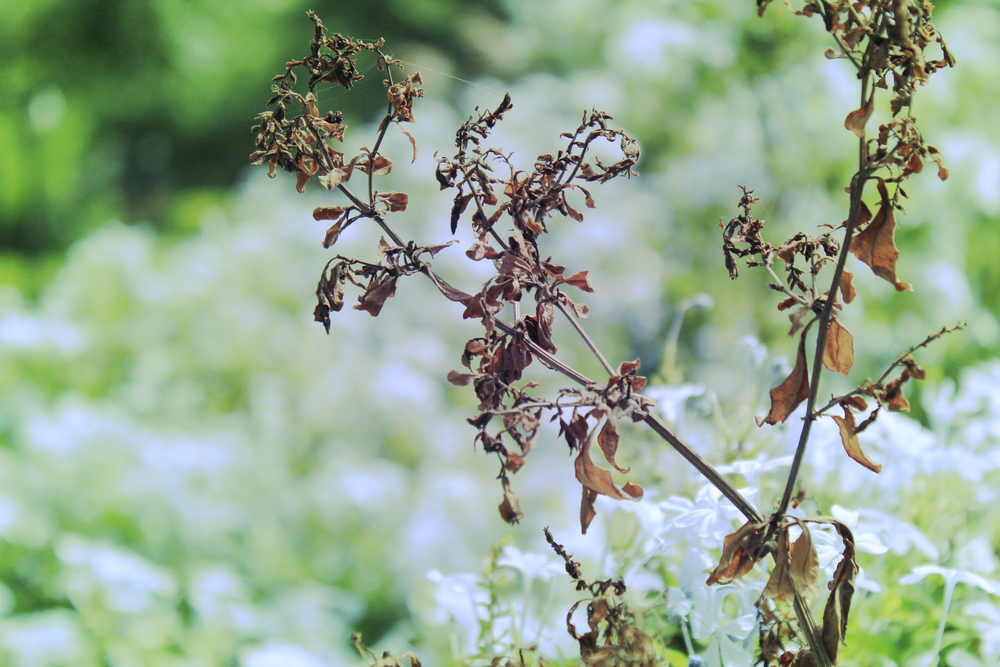
Prevention is great, but you’ve also got to be a bit of a plant detective. Keep a close eye on those leaves! Changes in color are usually the first sign that something is off. If you see brown or yellow spots, you’re likely looking at a fungal infection. If the leaves start shriveling up and dropping off, the fungus has already started to settle in.
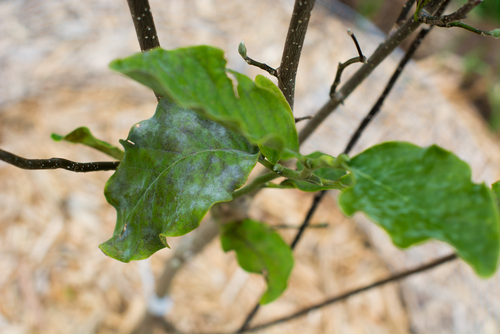
You might also notice white or gray powdery patches on new growth—this is another classic sign of trouble that can lead to dieback. While some fungi attack the leaves, others go straight for the roots. The most common “bad guys” you’ll run into are:
- Powdery Mildew,
- Leaf Spot,
- Lilac Blight (Phytophthora),
- Verticillium Wilt.
The good news? You don’t always need to reach for the heavy-duty chemicals right away. Often, you can manage the problem by simply pruning away the infected branches. Just make sure to toss those clippings in the trash—not the compost pile! A natural horsetail tea spray can also work wonders as a mild treatment. The key is to be thorough: clean up any fallen leaves from the ground so the fungus doesn’t overwinter. If the infection is really aggressive or spreading fast, head to your local garden center to pick up a specialized fungicide.