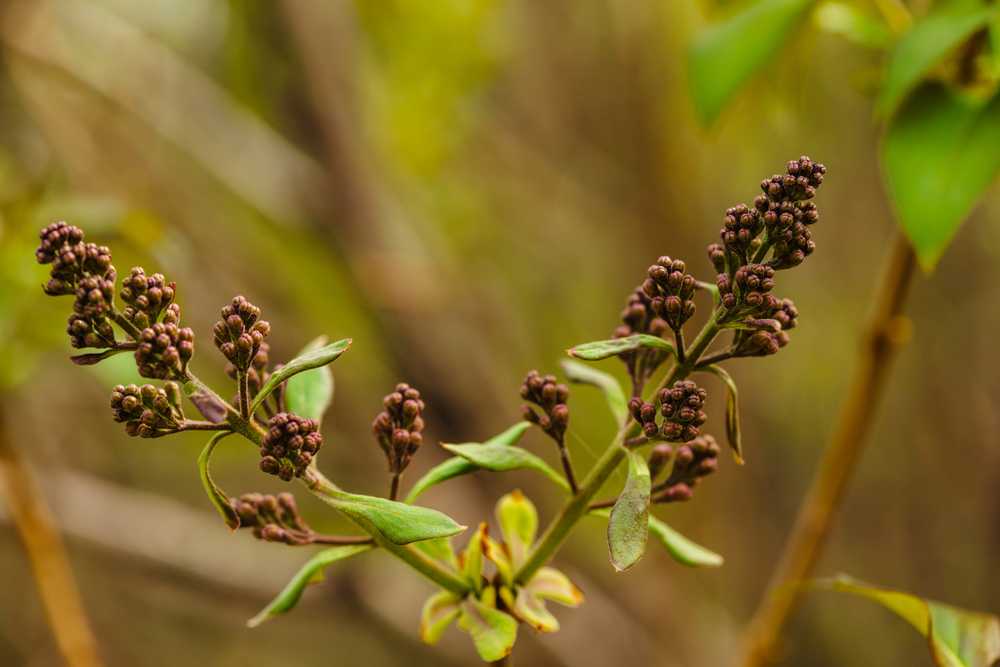
Lilacs are generally pretty tough cookies when it comes to pests and diseases. This flowering favorite can hold its own in the garden, but it’s not totally invincible. A few specific pests love to make a home in those fragrant branches, so it’s a good idea to give your shrubs a thorough “check-up” every now and then.
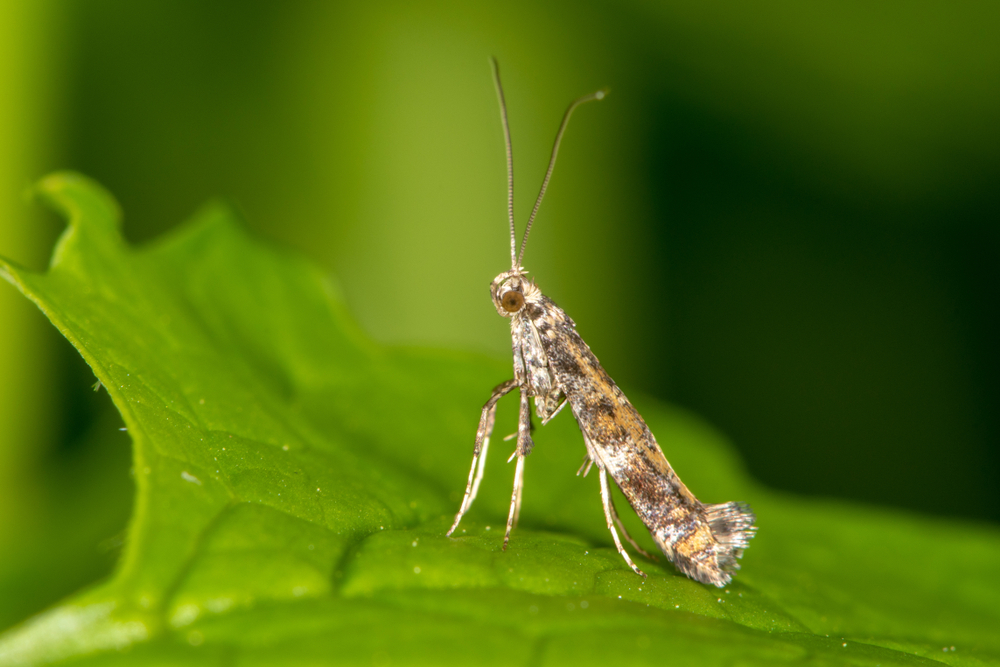
Dealing with the Lilac Leafminer (Gracillaria syringella)
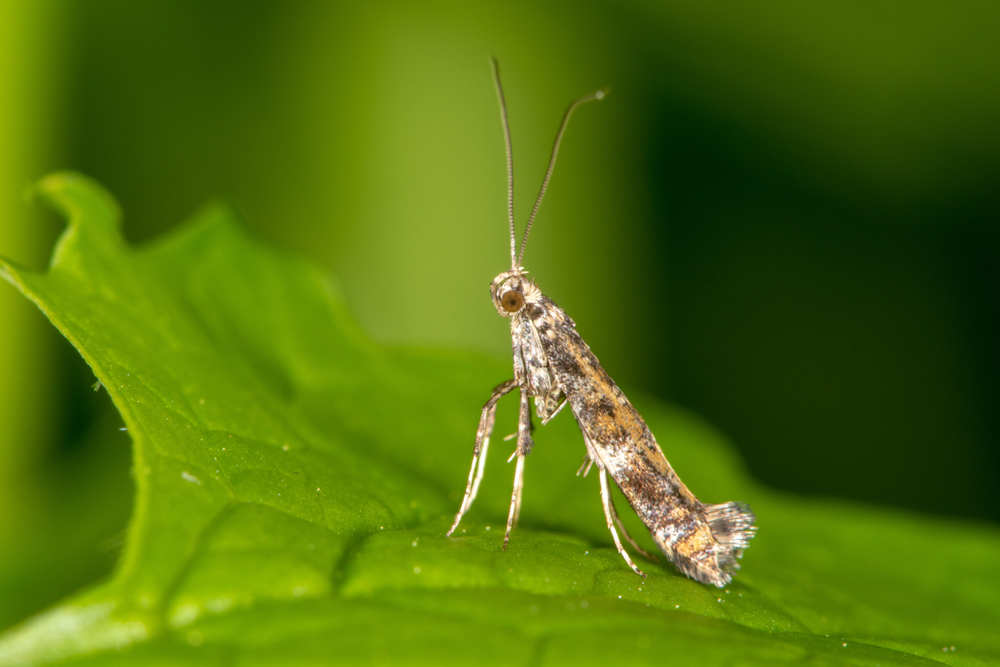
This pest is a tiny moth that is, unfortunately, a bit too plain for its own good—it’s very easy to miss until the damage is done. The pupae spend their winter snuggled up on the lilac, and once spring hits, the larvae hatch and start their feast. Their favorite snacks? Your lilac’s leaves and those tender new shoots. If left unchecked, they can stick around for generations.
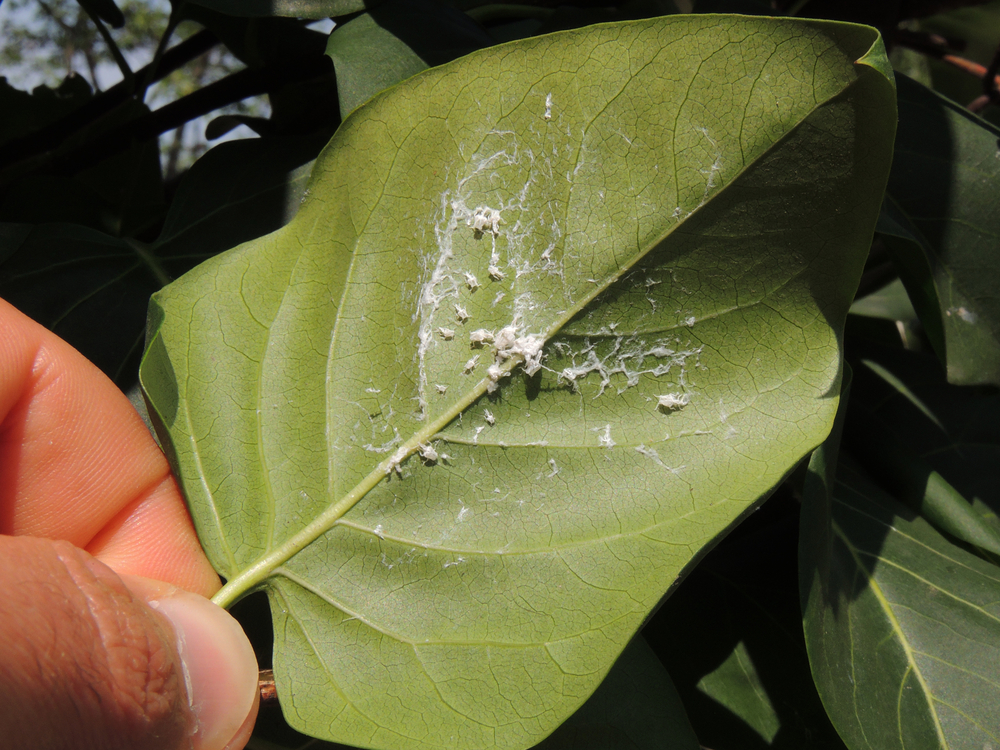
You might not notice much damage in the first year or two. However, you’ll eventually start seeing brown spots appearing on the foliage. These spots will get bigger and bigger until the leaf tissue is destroyed and the leaves start falling off. If you look closely (you might even need a magnifying glass), you’ll spot tiny yellow larvae hanging out on the leaves. To get ahead of them, it’s best to treat your lilac with an appropriate organic pesticide before the new growth starts in the spring.
The Lilac Weevil (Otiorhynchus rotundatus)
Often referred to as a type of vine weevil, this pest looks like a long, reddish-brown beetle. The most annoying thing about these guys? They’re nocturnal. They hide during the day and only come out to munch at night. Their larvae are the real troublemakers, though, as they can do some serious damage to your lilac’s roots. You’ll know you have a guest when you see distinct “notches” or chewed edges along the leaf margins. If you suspect them, try digging around in the soil a bit—that’s where they hang out during the day.
To get rid of them, your best bet is hand-collecting the beetles and using a Neem oil treatment. Here’s a pro tip for a DIY trap: Fill a flower pot with wood wool (excelsior) and place it upside down on the ground near the base of your lilac. The beetles will usually crawl inside to hide during the day, making it super easy for you to relocate them. It’s much easier than trying to hunt them down with a flashlight at 2 AM!
A few other pests that might drop by your lilac include:
- Gall mites (Eriophyes loewi)
- Hornets (Vespa crabro)
- Voles (field mice)