There’s nothing quite like watching a flurry of colorful butterflies dancing through your garden, stopping for a snack at every bloom. If you want to turn your backyard into a butterfly sanctuary, you need the right nectar sources. We’ve rounded up seven of the most popular butterfly-friendly plants, plus a little “insider tip” at the end!
[[pflanzen]]
++Black-Eyed Susan (Rudbeckia)
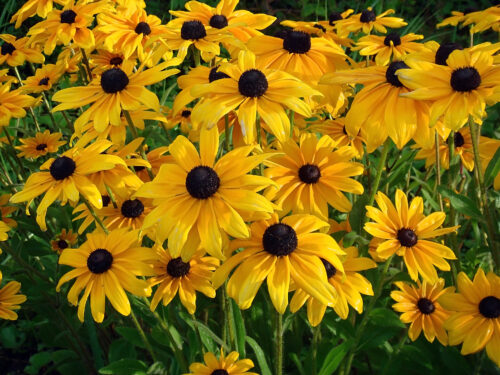
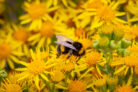
With their bright yellow petals and dark centers, these beauties look like mini sunflowers. They are packed with nectar, making them a favorite for butterflies, honeybees, and bumblebees alike. A classic in cottage gardens, Black-Eyed Susans can reach up to five feet tall, making them a perfect backdrop for your flower beds. They bloom all summer long and have sturdy stems, so they make excellent, long-lasting cut flowers for your kitchen table.
++Butterfly Bush (Buddleja davidii)
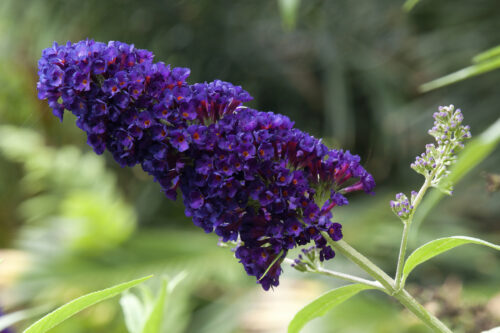
The name says it all! As soon as the first few blossoms open on this deciduous shrub, the butterflies start arriving in droves. The tiny flowers grow in dense, upright spikes that can reach up to 12 inches long. They come in white, pink, or purple and smell like sweet honey. Just a heads-up: Butterfly Bush can be a bit controversial because it’s a non-native that can spread aggressively. To keep it in check, just deadhead the spent flowers regularly so it doesn’t drop seeds everywhere.
++Valerian (Valeriana officinalis)
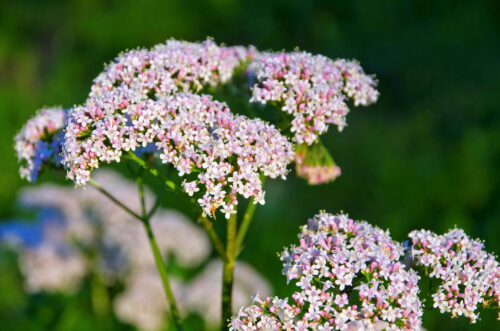
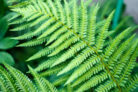
You might know this herb for its calming properties, but it’s also a fantastic perennial for the garden. It’s fully hardy and grows about three feet tall. You can recognize Valerian by its hairy stems and unique, feathery leaves. Starting in May, it produces clusters of small white or pale pink flowers that give off a sweet aroma. It’s a magnet for butterflies and all sorts of beneficial insects.
++Common Privet (Ligustrum vulgare)
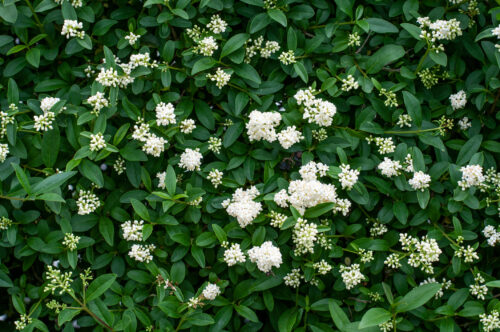
While most people think of Privet as just a sturdy hedge plant, it’s actually a great wildlife supporter if you let it bloom. In June, long white flower clusters appear at the tips of the new growth. The scent is especially strong in the evening, drawing in butterflies, bees, and bumblebees. It’s a tough, resilient shrub that handles pruning well, but the pollinators will thank you if you let those flowers shine.
++Meadow Sage (Salvia pratensis)
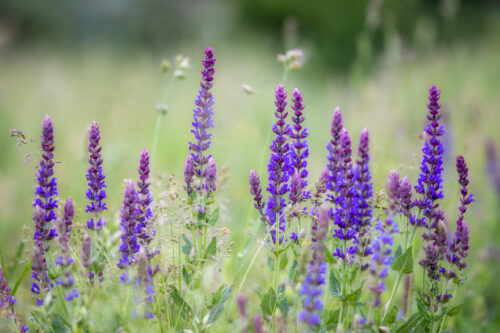
This plant is easy to spot thanks to its fuzzy, crinkled leaves that release a spicy scent when you rub them. From June to August, Meadow Sage puts on a show with white, pink, or deep violet-blue flowers. The blooms are rich in nectar—so much so that they can feel a little sticky! It’s a low-maintenance choice for the garden, and because its roots can reach three feet deep, it’s very drought-tolerant once established.
++Oregano (Origanum vulgare)
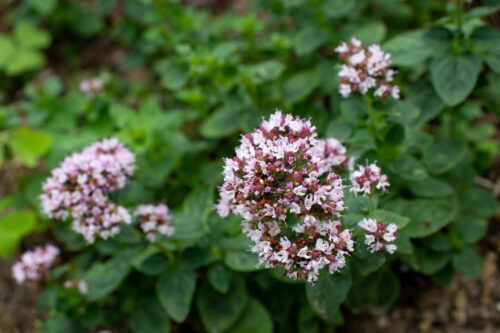
Oregano isn’t just for pizza! When you let this herb bloom, it becomes an absolute butterfly favorite. It’s a hardy perennial that spreads via rhizomes, meaning it can eventually fill in large areas as a beautiful groundcover. Starting in July, Oregano produces light pink to purple flowers that will be buzzing with activity from sunrise to sunset.
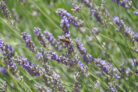
++Lavender (Lavandula)
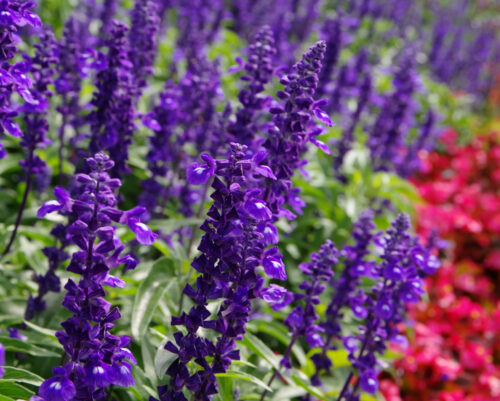
Lavender’s iconic fragrance is just as irresistible to butterflies as it is to us. Even some of the rarer species, like the Small Tortoiseshell, love to visit these purple spikes. Lavender grows in compact mounds with silvery-green, needle-like leaves. Its main blooming season is June through August, but if you trim off the faded flowers, the plant will often keep pushing out new blooms for a second show.
%%Globe Thistle (Echinops)
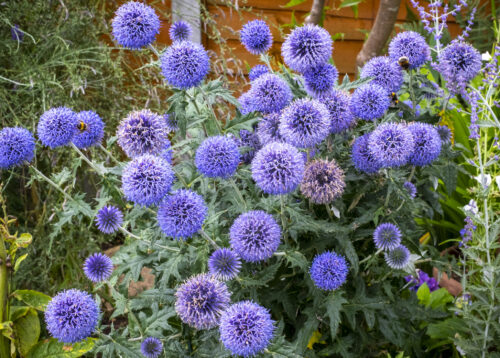
Here is our secret tip: the Globe Thistle! If you want to add some architectural interest to your garden, this is the plant for you. These striking, spherical blue flower heads are loaded with nectar. Part of the aster family, they feature upright, silvery stems and jagged, fuzzy leaves. The “golf ball” flowers can grow up to two inches across, with tiny individual blossoms opening from the bottom to the top. It’s a stunning, unique way to keep your local butterflies very happy.