Let’s be honest: a good pizza sauce just isn’t complete without a healthy dose of oregano. But have you ever wondered what else this powerhouse herb can do? Or how to actually keep it happy in your own backyard? I decided to go on a little deep dive to look at oregano from every angle—from the garden bed to the kitchen counter. Here’s the scoop on everything I found.
Oregano: The Quick Facts
- Botanical name: Origanum
- Also known as: Wild Marjoram or Joy of the Mountain
- Plant family: Lamiaceae (the mint family)
- Origin: Southern Europe and the Mediterranean
- Popular varieties: Greek Oregano, Ornamental Oregano, Cretan Dittany, Syrian Oregano, and Spicy/Peppery varieties
- Growth habit: A perennial, herbaceous plant that grows anywhere from 8 to 28 inches tall
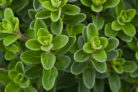
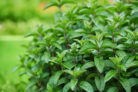
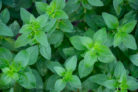
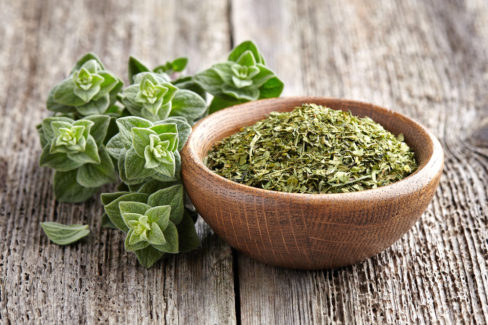
- Leaves: Small, oval, pointed leaves (about 1/2 to 1 1/2 inches long) with a slightly fuzzy texture
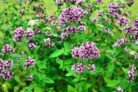
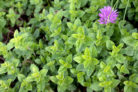
- Flowers: Pretty pink to purple blooms that cluster in round, umbrella-like shapes
- Bloom time: Usually from June through September
- Seeds: Produces small nutlets that release seeds around September
- Natural propagation: Spreads via underground runners (rhizomes) and self-seeding
Growing Oregano in Your Garden
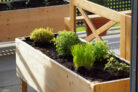
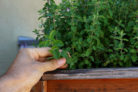
If you’ve got a sunny, relatively dry spot in your garden, you’re in luck—hardy oregano will feel right at home there. It’s a perfect candidate for the top level of a herb spiral where the drainage is best. No yard? No problem! You can easily grow oregano in a large pot on your balcony. Just keep in mind that container plants need a little more TLC than those in the ground.
Give your oregano some fertilizer in the spring to kickstart the season. When it comes to watering, let the soil dry out a bit before giving it another drink. To keep the plant from getting leggy, pruning it regularly will help it branch out and stay bushy. If you’re growing it in a pot, make sure to give it some extra protection to survive the winter chill.
Using Oregano in the Kitchen
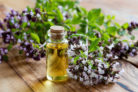
The secret to that bold, spicy flavor lies in the plant’s essential oils. While the leaves are the main event, the flowers are also edible—they just have a slightly milder taste. Fun fact: oregano is actually at its most aromatic right when it’s flowering!
It’s a staple in Mediterranean cooking, and of course, it’s the “secret ingredient” that makes pizza sauce taste like pizza sauce. It also plays really well with other Mediterranean herbs like rosemary and thyme.
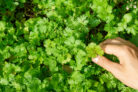
You can harvest fresh sprigs all summer long. For the best flavor, try to pick it on a sunny morning after a few days of dry weather.
Quick Tip:
You can easily dry oregano by hanging it in the air or using a low setting in your oven. Unlike many herbs, oregano actually gets *more* intense once it’s dried! You can also freeze it—this preserves that bright green color, though the flavor might mellow out just a bit.
Oregano as a Healing Herb
Beyond the kitchen, oregano has some pretty cool medicinal properties. It contains natural antibacterial compounds. Brewing it into a tea or adding it to a warm bath can be a great natural way to help soothe the symptoms of a common cold.