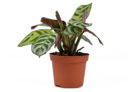
The Calathea—often called the Prayer Plant—is a favorite for many indoor gardeners because of its stunning, patterned foliage. But did you know that some varieties can actually produce gorgeous flowers? It’s a bit of a rare treat, though, because these plants will only bloom if their environment and care routine are spot on. If you’re wondering how to get your Calathea to show off some blossoms, you’ve come to the right place!
Springtime is Bloom Time
Whether or not your Calathea flowers depends largely on which specific variety you have at home. If you do have a flowering type, the color of the blooms will vary by species. Generally, the peak blooming season is April and May, though some early birds start sooner and others wait until late summer. The golden rule? A Calathea will only flower if it’s feeling perfectly pampered.
Which Calathea Varieties Actually Bloom?
- Calathea rufibarba: Features small, charming yellow flowers.
- Calathea zebrina: Produces white, tube-shaped blossoms.
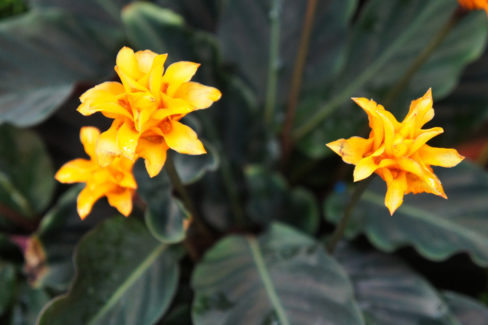
- Calathea crocata: Known for its striking, bright orange flowers.
- Calathea warscewiczii: Displays elegant white blooms.
Getting the Care Just Right
To encourage your Prayer Plant to bloom, consistency is key—especially when it comes to watering. You want to keep the root ball nice and moist, never letting it dry out completely. However, be careful not to overdo it; soggy soil leads to root rot, which is why the leaves might start drooping. For the best results, use lukewarm water that’s low in lime—room-temperature rainwater is a perfect choice!
As for location, your Calathea loves partial shade. During the summer, they thrive in temperatures around 77°F (25°C). In the winter, make sure the room stays above 65°F (18°C). Most importantly, keep them away from drafty windows or doors if you want to see those flowers.
Once the blooming season is over, go ahead and snip off any dried-out flowers, cutting them as close to the base as possible. With the right environment and a little TLC, your Calathea will be ready to put on another show for you next year!