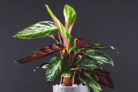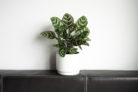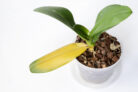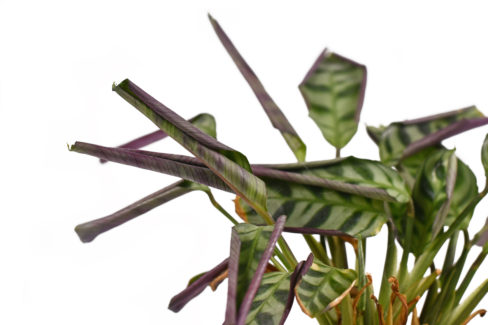
The Calathea, often called the Prayer Plant, is a total superstar in the world of indoor gardening. With those stunning, intricate leaf patterns—and the occasional bloom on certain varieties—it’s easy to see why they’re so popular. Plus, they’re pet-friendly for cat owners and thrive in those low-light corners where other plants struggle. However, if you notice your Calathea’s leaves turning yellow, it’s time to play plant doctor. Usually, this is a major red flag that you’ve been a little too heavy-handed with the fertilizer.
Yellow Leaves? You Might Be Overfeeding
Calatheas are definitely the “divas” of the plant world—they’re incredibly sensitive! They need the perfect spot (keep them out of direct sunlight!) and a very specific care routine. You’ll want to water your plant consistently, making sure the soil stays moist without letting it get waterlogged or bone-dry. When it comes to feeding, you need a light touch. If those leaves start yellowing, your plant is likely suffering from nutrient overload.
What to Do When Leaves Turn Yellow
If the damage is already done, simply cutting back on fertilizer won’t be enough to save the day. You need to act fast to flush out those excess nutrients. Here’s your step-by-step rescue plan:
- Repot the plant immediately.
- Gently shake off or rinse the old soil away from the root ball.
- Place your Calathea in a fresh pot with new, high-quality potting mix that isn’t too “hot” (overloaded with nutrients).
How to Fertilize Your Prayer Plant the Right Way
To keep those leaves vibrant and green in the future, timing and dosage are everything. Use a liquid fertilizer diluted to a lower concentration than the bottle suggests. During the growing season in the summer, feeding once every four weeks is plenty. When winter rolls around, you can put the fertilizer away entirely.
Winter Care for Your Calathea
While Calatheas don’t go into a full dormant “hibernation,” they do slow down during the colder months. They won’t need any fertilizer, and you should scale back on the watering a bit, too. Just make sure the room stays above 65°F (18°C) and keep that humidity up! They love being misted regularly with filtered or lime-free water to keep those tropical vibes going all year long.