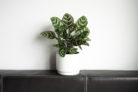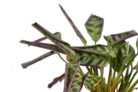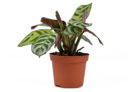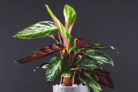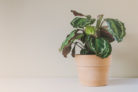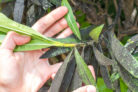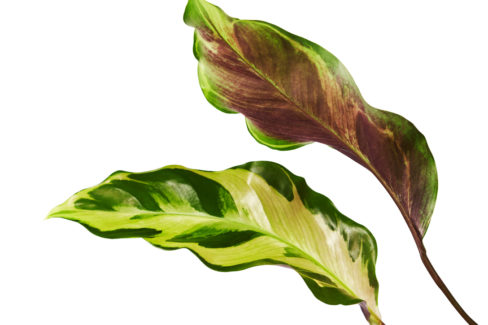
The Calathea—often called the Prayer Plant—is definitely one of the more “dramatic” roommates in the plant world. She’s a bit of a diva, and if you slip up even a little with her care routine, she’ll let you know immediately. If you’re seeing those dreaded brown edges or spots on your Calathea’s leaves, it’s usually a cry for help: she’s likely getting too much sun and not nearly enough moisture.
Common Care Mistakes That Lead to Brown Leaves
When those leaves start turning brown, your Calathea is probably feeling parched. Remember, these beauties hail from the tropical rainforest, so they crave high humidity and consistent watering. You never want the root ball to dry out completely, but you also have to be careful not to let her sit in soggy soil (root rot is no joke!).
Usually, the plant gives you a few warning signs before the brown sets in. You might notice the leaves drooping first, or perhaps they’ll start curling inward. Take these as a “heads up” that something in her environment isn’t quite right.
Too Much Sun = Leaf Burn
Brown patches can also be a classic sign of sunburn. This happens when your plant is sitting in a spot that’s just too bright. Direct midday sun is the biggest enemy of the Calathea; it’s simply too intense for their delicate foliage.
If you suspect your plant is getting scorched, try adding a sheer curtain to filter the light or move the pot to a spot with partial shade. Fun fact: Calatheas are actually pretty happy in lower-light conditions, so they don’t need a prime spot right by a sunny window to thrive.
How to Fix (and Prevent) Brown Leaves
- Keep it consistent: Water your Calathea regularly so the soil stays evenly moist.
- Boost the humidity: Mist your plant daily, or set up a pebble tray with water nearby to keep the air moist.
- Check the soil: Never let the root ball dry out entirely.
- Find the right light: If the leaves look toasted, move her to a darker, more protected corner of the room.