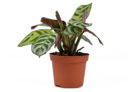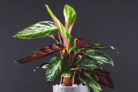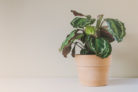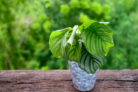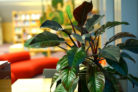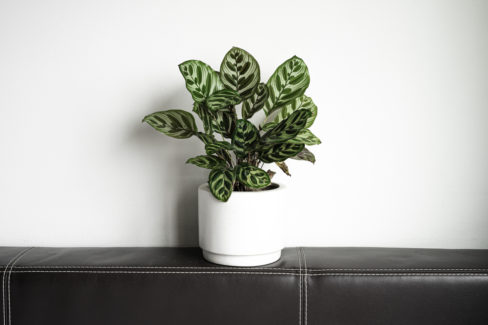
The Calathea, often called the Prayer Plant, is definitely one of those “diva” houseplants. She’s gorgeous, but man, can she be high-maintenance! If you don’t meet her specific needs, she’ll let you know pretty quickly with drooping or discolored leaves. Usually, these issues aren’t actually diseases—they’re just the plant’s way of telling you there’s a hiccup in your care routine. Let’s dive into the common pests that plague Calatheas and how to fix that “sickly” look.
Watch out for pests
Spider mites are probably the most common uninvited guests on a Calathea. These little guys usually show up when the air in your home is too dry. You’ll know you have a problem if you spot tiny, fine webs tucked into the leaf axils. If you find them, don’t panic! Just follow these steps to get your plant back on track:
- First, cover the soil (plastic wrap works great) so it doesn’t get waterlogged.
- Take your plant to the shower or bathtub.
- Give it a good rinse under lukewarm running water to wash away the mites and their webs.
- To keep them from coming back, place a few bowls of water around the room or use a humidifier to boost the moisture in the air.
When “tough love” goes wrong: Care mistakes
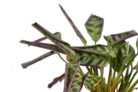
If you notice your Calathea’s leaves turning brown or yellow, curling up, or drooping sadly, it’s likely not a virus or fungus. Instead, it’s usually a sign that something is off with its environment. To fix it, you’ll need to do a little detective work on your care habits and where the plant is sitting.
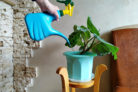
First, double-check your watering routine. Calatheas are picky—they hate bone-dry soil, but they’ll also rot if they’re sitting in a swamp (standing water). Also, make sure it’s not getting too much light; direct sun is a big no-no. Drafty windows can also cause the leaves to freak out. Finally, take it easy on the fertilizer—too much “food” can actually do more harm than good!