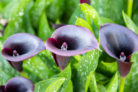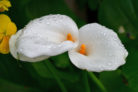
If you want to see your Calla Lilies bursting with those iconic, elegant blooms, you’ve got to get the environment just right. Whether you’re growing them as houseplants or adding some flair to your garden beds, location is everything.
Finding the Perfect Spot for Potted Callas
Since these beauties are originally swamp plants from South Africa, they can be a bit picky about their “home base.” If they aren’t happy, they’ll show it by dropping leaves or refusing to bloom altogether. Plus, most Calla varieties aren’t fans of the cold. During the winter, they need a dry spot to take a well-deserved nap (their dormancy period). Here’s what your Calla is looking for in a location:
- Warmth
- Plenty of light
- Protection from the wind
- Frost-free conditions
- No harsh, direct midday sun
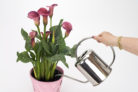
When keeping a Calla as a houseplant , they love the gentle morning and evening sun, but that intense afternoon heat can be a bit much for them. During the summer, feel free to move your potted plants out onto the patio or balcony—just make sure they’re tucked away from strong winds. Keep that soil consistently moist while they’re growing! However, once winter hits, stop watering entirely to let the bulb dry out completely for its rest phase.
Planting Callas in Your Garden
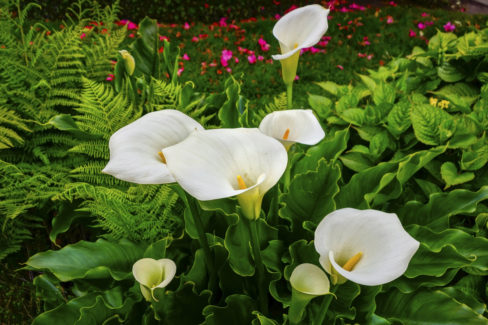
If you’re moving your Callas into the garden, the rules are pretty similar to pot culture. Look for a bright spot that’s shielded from the wind but only gets partial sun. The soil needs to breathe, so if yours is heavy, mix in some sand to improve drainage. If your soil is looking a little “blah” and nutrient-poor, try mixing in some mature compost before planting your Callas to give them a boost.
Since Callas are definitely not fans of frost, wait until mid-May (or whenever the threat of frost has passed in your area) to put them in the ground. When winter rolls back around, you’ll need to dig up the bulbs, move them into pots, and let them overwinter in a cool, dry place like a basement.
A Few Final Pro-Tips
While you might run into some hardy Calla varieties , be careful with young plants—low temperatures can easily damage their sensitive roots.
One very important thing to remember: every part of the Calla Lily is toxic! The sap can cause skin irritation, so I always recommend wearing gloves when you’re planting, repotting, or pruning. It’s also a good idea to keep them out of reach of curious pets and kiddos.