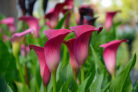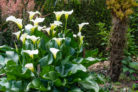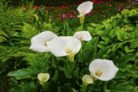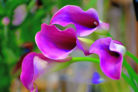
Whether you’re growing a Calla Lily in your garden or keeping one as a houseplant, these beauties are a bit high-maintenance. Most Calla Lilies are native to Africa, which means they absolutely hate the cold. To get those stunning blooms again next year, you have to give them a proper “nap” (a dormancy period) away from any freezing temperatures.
Step-by-Step Guide to Overwintering Your Calla Bulbs
Since most Calla Lilies can’t handle a frost, you’ll need to dig them up and store them. Here is my go-to routine for keeping those bulbs (technically rhizomes!) safe until spring:
- Dig up the bulbs in October (before the first hard frost)
- Trim off any yellowing foliage
- Gently shake off the excess soil
- Let the bulbs air dry for a few days
- Store them in a cool, dry spot around 50°F (10°C)
- Replant them once the ground warms up in the spring
How to Overwinter Potted Calla Lilies
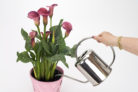
The “dig and store” method works best for varieties that naturally die back and turn yellow. However, if you have an evergreen Calla, you can keep it right in its container. Just move your potted Calla to a draft-free spot that stays around 50°F. The most important part? Stop watering and fertilizing entirely during this time to let the plant rest.
Waking Them Up After Winter
Once the winter break is over, you’ll want to slowly reintroduce your potted plants to a sunny, warm windowsill. Depending on the variety, you can start this as early as January. Before you do, repot the plant into some fresh soil. Start watering sparingly at first, gradually increasing the amount as the plant grows. Once it’s back in its growth phase, add a liquid flower fertilizer to your watering routine every two weeks.
For those stored bulbs, wait until the threat of frost has passed before putting them back in the ground. The soil needs to be at least 50°F (10°C). Pro tip: You might see some Calla bulbs labeled as “hardy” at the garden center, but I wouldn’t risk it! Very few varieties can actually survive a true American winter outdoors, so it’s always safer to wait until spring to plant.
The Exceptions: Two Hardy Calla Varieties
There are always a couple of rebels! The “Crowsborough” variety is famous for being tough, with some growers saying it can handle temperatures as low as -4°F (-20°C). You can leave these bulbs in the ground, ideally in a spot protected from the wind. Just cut back the top growth and cover the area with a thick layer of dry leaves or mulch. Once the nights stay above freezing and the air hits 50°F, clear away the mulch so the sun can warm up the soil.
Then there’s the Bog Arum (Wild Calla). Unlike the indoor Calla Lily, this one lives in ponds or marshy areas and is naturally cold-hardy. You don’t need to do anything special for this one—it’ll handle the winter just fine on its own!