As a plant lover, you’ve probably wondered if you can grow a Calla Lily from scratch to propagate your favorite variety. I’ll be honest with you: growing these beauties from seed is a test of patience! It can take quite a while for those seeds to sprout. However, if you’re trying to grow a particularly stunning or rare variety, the payoff is totally worth it.
Step-by-Step Guide: Growing Calla Lilies from Seed
- First, snip off the seed heads from your chosen Calla Lily.
- Hang them up to dry thoroughly.
- Once they’re dry, simply shake the seeds out.
- Store your seeds in a cool, dry spot until spring.
- You can start sowing your Calla seeds as early as January.
What to Keep in Mind When Collecting Seeds
To get seeds that actually grow, the flower has to be pollinated. To be on the safe side, I recommend playing “busy bee” yourself and helping things along with a small paintbrush. If your Calla Lily spends its summer out on the patio, there’s a good chance local insects will do the job for you.
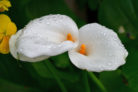
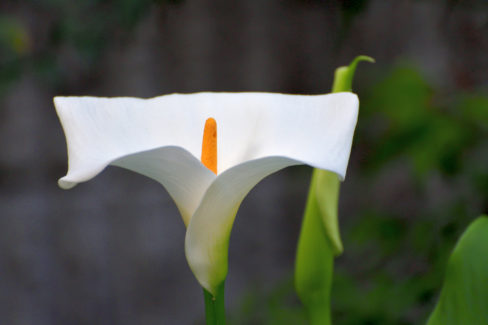
You’ll find the seeds on the small spadix (that’s the little spike inside the colorful bract we usually call the flower). Once the bloom fades, just cut off that spike and hang it up to dry. Depending on the variety, the seeds will be either round or egg-shaped. When they’re dry, they should pop right out with a little shake.
Alternative: Buying or Swapping Seeds
If you want a bit more certainty that your seeds will germinate, you can always buy them from a reputable garden center. You’ll find a huge selection of different Calla varieties there. Another great tip is to check out online seed-swapping platforms—you can often find some real “hidden gems” and unique Calla varieties that aren’t available in big-box stores.
How to Sow Your Calla Seeds
When you’re ready to plant, grab a seed tray and fill it with fresh seed-starting mix. Scatter the seeds thinly across the surface and cover them with just a light dusting of soil. The ideal spot for germination is somewhere warm, ideally between 68°F and 72°F (20-22°C). Make sure to keep the soil consistently moist so the seeds don’t dry out during the germination process.
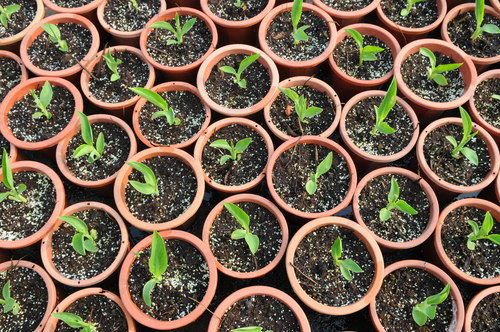
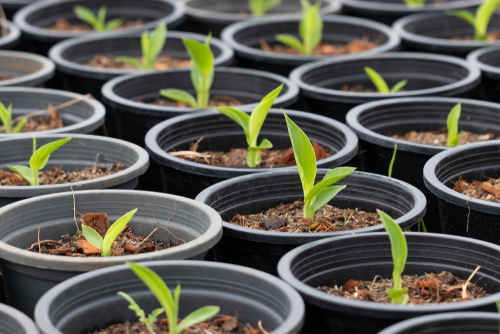
Don’t be discouraged if nothing happens right away—it takes a long time for the first seedlings to poke through! Once they’re big enough to handle, gently transplant them into their own small pots. Keep the soil nice and moist through August. Just a heads-up: don’t be surprised if your new plants don’t produce flowers in their very first year. They’re just getting settled!