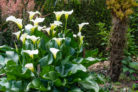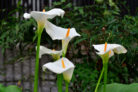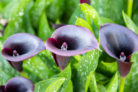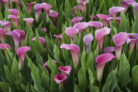
The Calla Lily is famous for its stunning, elegant blooms. Originally hailing from the marshlands of South Africa, these beauties have made themselves right at home in our gardens and living rooms. Whether you’re looking for classic white or vibrant shades of yellow, pink, or purple, the Calla is a showstopper you can definitely grow yourself.
Quick Facts: Calla Means “Beauty”
With their unique, sculptural shape, Callas aren’t just for high-end bouquets. They look just as gorgeous sitting on a sunny windowsill or tucked into a garden bed. Fun fact: the name actually comes from the Greek word *kállos*, which literally translates to “beauty.” While we often call them “Calla Lilies,” they aren’t actually true lilies—they belong to the Araceae family.
Here’s a quick look at what makes a Calla a Calla:
- Traditionally white, but also bred in purple, pink, and yellow
- Minimal, elegant foliage
- Sturdy, herbaceous growth
- Reaches heights of up to 20 inches (50 cm)
- Flower diameter around 5 inches (12 cm)
- Bloom size ranges from 6 to 12 inches
- Flowering season typically runs from May to July
Where the Calla Comes From
The Calla Lily is native to southern Africa, where it thrives in swampy areas. In its natural habitat, it gets plenty of moisture while it’s blooming and then takes a “nap” during the dry summer months. Because of these roots, the Calla wants similar conditions in our gardens. Since they love the warmth and can’t handle a hard frost, they typically bloom for us in the summer and go dormant during the winter.
The Calla’s Signature Look
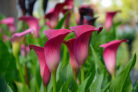
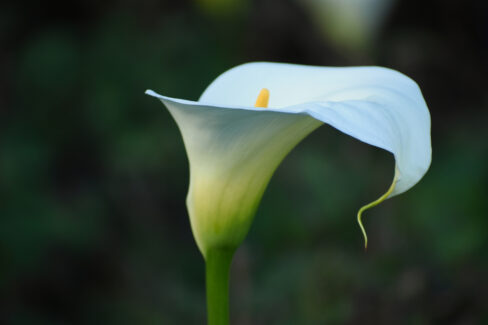
The most striking thing about a Calla is its chalice-shaped bloom. While classic white is the original look, modern breeding has given us a whole rainbow of colors, including yellow, purple, rose, hot pink, and even orange. The plant grows in individual stalks that end in a single bloom, all framed by lush, dark green, arrow-shaped leaves.
How to Keep Your Calla Blooming
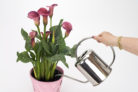
You can expect your Calla to show off its flowers between May and July. If your plant isn’t blooming, it might be a sign that the soil is too dry, it’s lacking nutrients, or it’s getting scorched by too much direct sun. The secret to success is keeping the soil consistently moist during the growing season and finding that “just right” spot with plenty of light but protection from the midday heat.
On the flip side, once the plant goes into its dormant phase, stop watering entirely! The bulb needs to dry out completely during its rest period so it can recharge and come back even stronger next year.