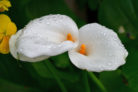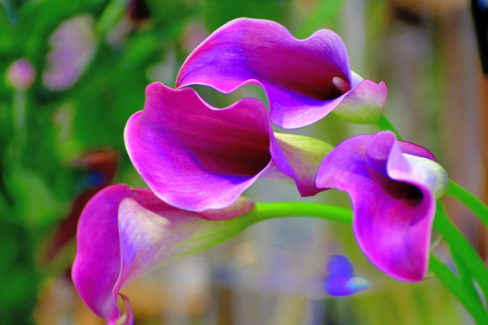
Whether you’re growing Calla Lilies in a pot on your windowsill or out in the garden, the good news is they’re pretty low-maintenance when it comes to pruning. You won’t need to do any heavy-duty chopping here. For the most part, you’re just tidying up spent blooms after the flowering season or removing leaves that have lost their vibrant green glow and turned yellow or brown.
When Should You Prune Your Calla Lilies?
In reality, there are only a few times you’ll actually need to reach for your tools:
- To remove dried-out leaves
- To deadhead spent flowers
- To clear away yellowing foliage after the blooming season
- To harvest flowers for a bouquet
That last one is totally optional, of course! But if you want to cut Callas for a vase, here’s a pro tip: skip the scissors and use a sharp knife instead. Scissors tend to crush the fleshy stems, which isn’t great for water intake. Make your cut as low as possible with a clean, straight stroke. Calla stems have a habit of curling up at the bottom once cut; you can actually prevent this by wrapping a small piece of clear tape around the base of the stem.
Clearing Away Spent Blooms and Dry Foliage
Every now and then, your Calla Lily needs a little “housekeeping” to get rid of dried-up bits. Leaving dead flowers or leaves on the plant can actually lead to rot, which is the last thing you want. When you’re deadheading, try to cut the flower stalks as close to the bulb as possible. Sometimes, the really dry pieces will even just pluck right off with a gentle tug.
One golden rule: never cut off the healthy green leaves! The plant uses those leaves to gather energy for the next flowering cycle. Only remove foliage once it has turned yellow or withered. You’ll also want to give the plant a final trim before it goes into its winter dormancy. In this case, you can cut back all the growth just above the bulb. This is the best way to prep if you plan to overwinter the bulbs indoors.
Quick Tips for Pruning Success
Always make sure your tools are clean and your knife is sharp. Calla stems are prone to mold and rot if they’re damaged by dirty blades. Also, don’t forget to pop on a pair of gardening gloves before you start. All parts of the Calla Lily are toxic and can cause skin irritation, so it’s better to play it safe while you’re working!