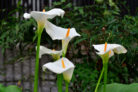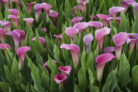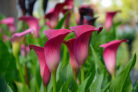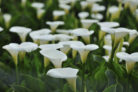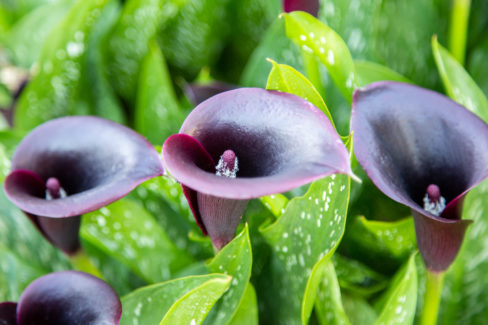
When it comes to fertilizing your indoor Calla Lily, it’s all about finding that “sweet spot.” While these beauties definitely need a little nutritional boost during their growing season, overdoing it can actually do more harm than good.
The Best Fertilizer for Your Calla Lily
The good news is that Calla Lilies aren’t particularly picky. You don’t need a specialized, expensive formula; a standard liquid houseplant fertilizer from your local garden center or hardware store works perfectly. When it comes to dosage, remember the golden rule: “Less is more!” Callas are quite sensitive to high nutrient concentrations. If you’re ever in doubt, it’s better to under-fertilize than to overdo it. Always check the instructions on the bottle for a baseline, but err on the side of caution. If your Calla Lily stops blooming, it might actually be a sign that you’re fertilizing too heavily or too often.
Timing is Everything
Knowing when to feed your plant depends entirely on its growth cycle. Their nutritional needs shift depending on what stage of life they’re in. The three main phases to watch are:
- Pre-bloom (early growth)
- The blooming period
- Winter dormancy
You’ll want to focus your fertilizing efforts primarily during the blooming period. Before the flowers appear, the plant only needs a light touch of nutrients. During the winter, you should stop fertilizing entirely while the plant takes its well-deserved nap.
How to Fertilize Your Calla Lily Like a Pro
The first growth phase kicks off right after winter. This is the perfect time to repot your Calla into fresh potting soil, which will naturally provide all the initial nutrients the plant needs. If you repot, you don’t need to add fertilizer right away. However, if you’re keeping it in the same soil, start fertilizing every two weeks as soon as you see those first green shoots popping up.
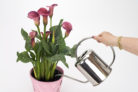
Once you spot the first flower buds, the plant is entering its “hungry” phase. During the blooming period, step it up to once a week. The best way to do this is by mixing the liquid fertilizer directly into your watering can so it’s properly diluted before it hits the roots.
After the flowering season ends, the plant enters its dormancy phase. This is your cue to stop both watering and fertilizing. The bulb needs to dry out completely during this rest period to recharge its energy, ensuring it’s ready to put on another spectacular show next year!