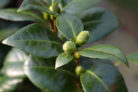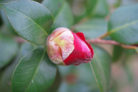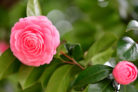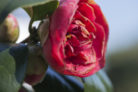
Let’s be honest: we grow camellias for those show-stopping blooms. So, it’s incredibly frustrating when you walk out to your garden or sunroom only to find those gorgeous flowers scattered on the floor. While it’s a tough pill to swallow, the reason usually isn’t the plant itself—it’s often something we’re doing (or not doing) as gardeners.
The Root Causes
There are a few main reasons why your camellia might be dropping its blossoms:
- A sudden change in location (buying and transporting)
- Incorrect temperatures
- Dry air or dry soil
- Diseases and pests
Just a quick tip: You don’t need to deadhead wilted flowers; they’ll naturally fall off on their own once they’re done.
The “New Plant” Blues
It’s super common for camellias to drop their flowers and buds right after you bring them home from the nursery. Even if you have the perfect spot picked out, the move itself is a shock to the plant’s system. They are notorious homebodies and hate sudden changes!
Plus, if the plant wasn’t wrapped up well during the ride home, a quick blast of cold air can cause it to drop its blooms in protest.
What to do:
- Give your camellia some space (don’t keep moving it around).
- Stick to your normal care routine.
- New buds should start forming soon.
- Pro tip: In the future, try to buy camellias before they are in full bloom to minimize the shock.
Temperature Tantrums
Camellias are a bit like Goldilocks when they’re blooming—they want the temperature to be “just right.” Ideally, they like to stay between 50°F and 60°F. If things get much warmer than that, the plant will start shedding flowers fast.
What to do:
- Keep a close eye on the thermostat in your growing area.
- If you’re heading out of town, make sure whoever is plant-sitting knows to keep things cool.
Dry Air and Thirsty Roots
Low humidity and letting the root ball dry out completely are silent killers. The tricky part? You might not see the damage for months. Dropping flowers—and more often, dropping buds before they even open—is usually a delayed reaction to these care mistakes.
What to do:
- Adjust your watering and humidity game to better match what camellias crave (they love a bit of moisture!).
Pests and Diseases
The most direct threat to your blooms is a fungal infection called Camellia Flower Blight. This fungus usually causes the flower to rot from the center outward, leading to premature drop. Interestingly, varieties with lighter-colored petals seem to be the most susceptible.
What to do:
- Carefully remove any infected flowers.
- To prevent spores from spreading, place a plastic bag over the bloom before you pluck it.
- Toss those infected flowers straight into the outdoor trash—don’t compost them!
- Unfortunately, there isn’t a 100% effective cure for this fungus yet, so prevention and cleanup are key.
General pests or leaf spot diseases can also cause bloom drop, but usually only if the infestation is pretty severe. In those cases, you’ll likely see the plant losing its leaves first.