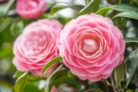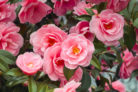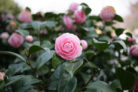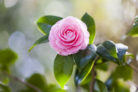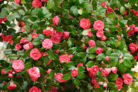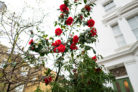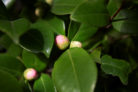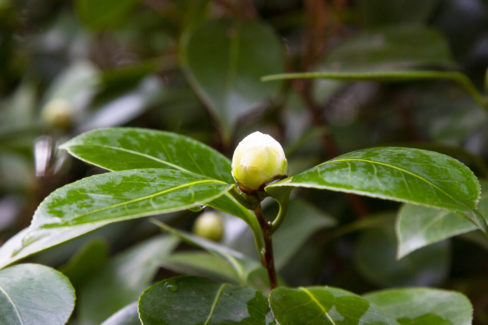
Let’s be honest: the whole reason we grow Camellias is for those stunning, rose-like blooms. So, it’s beyond frustrating when your plant decides to go on a “flowering strike.” Figuring out exactly why your Camellia isn’t blooming can feel like a bit of a detective game, though, because the cause isn’t always obvious.
Causes
Most of the time, a lack of flowers comes down to a hiccup in care or a less-than-ideal spot in the garden. To make things trickier, Camellias don’t always react immediately to stress—sometimes they wait a while before showing signs of trouble, which makes troubleshooting a challenge.
The most common culprits (which often work together to ruin your bloom season) include:
- Care issues: Improper watering or fertilizing habits.
- Location issues: Not enough light or the wrong temperature.
Location
Even though Camellias can be a bit finicky about the cold, they really shouldn’t be kept as permanent houseplants. Giving them a summer vacation outdoors significantly boosts your chances of seeing flowers during their blooming season.
Not Enough Light or Warmth
While you definitely want to protect your Camellia from harsh, scorching midday sun, it still needs to “see the sky.” Planting one directly under a dense tree canopy usually isn’t the best move. Even other shady spots with “open views” might not provide enough energy for the plant to produce buds.
Temperature also plays a huge role. Different varieties have different needs; for example, *Camellia sasanqua* often struggles to set buds if the summer isn’t warm enough. For *Camellia japonica*, warmth is key—they tend to produce twice as many flowers at 77°F (25°C) compared to 68°F (20°C).
Care Mistakes
Slip-ups in your routine don’t just affect the plant’s health; they can also mess with its internal clock. For instance, too much water—whether from over-enthusiastic watering or a very rainy season—can actually discourage blooming.
Fertilizing too late in the summer is another common pitfall. It encourages the plant to keep putting out new leafy growth instead of focusing on flower buds. That’s why I usually recommend stopping the fertilizer by July. If you notice new green shoots popping up late in the season, it’s best to pinch them off. They can crowd out the buds on the older spring wood, leaving the plant without enough time to mature before winter.
Last but not least, remember that Camellias are living things, not machines! Sometimes, a plant just needs a “gap year” to rest and recharge before its next big show.