Camellias and harsh winters aren’t exactly a match made in heaven. For many varieties, it simply gets too chilly outside. But here’s a pro tip: the real culprit usually isn’t just the cold itself, but a lack of water—often caused by frozen roots or deep ground frost.
Camellias in the Garden
When it comes to camellias planted in the ground, everything revolves around their “hardiness rating.” This tells you the minimum temperature a plant can handle for a short burst. Definitely check this rating before you buy! However, that’s only half the story. The other major threat is something called “frost drought.”
Frost Drought
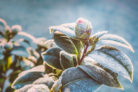
Frost drought happens when the water in the soil freezes solid. Even if the plant is thirsty, the roots can’t pull up any moisture. To save water, your camellia will start curling its leaves to slow down evaporation. If the water supply doesn’t improve, the plant goes into emergency mode: the leaves will turn brown or drop off while they’re still green.
The good news? This frost-induced leaf drop isn’t always a death sentence. Often, the plant will bounce back and sprout new growth in the spring. That’s why you should hold off on pruning until the weather warms up—only then will you see which parts are actually dead and which are just “sleeping.”
If you’re not sure if a branch made it, try the “scratch test”:
- Carefully scrape away a tiny bit of bark.
- If it’s green underneath, the branch is still alive!
- If it’s brown, that part of the plant has unfortunately succumbed to the frost.
Container Gardening
Unlike their cousins in the ground, potted camellias are much more vulnerable to the cold. If you’re planning to overwinter your plants on a balcony or patio, they absolutely need some extra protection.
Frozen Roots
Cold and frost can easily penetrate the sides and bottom of a pot, freezing the root ball solid in no time. Once that happens, the upper parts of the plant are cut off from their water supply. The first sign of trouble? Those tell-tale curled leaves. If the drought continues, the leaves will turn brown and fall off. The same thing can happen if you simply forget to water your potted camellia during dry spells in the winter!
What to Do
- Move the camellia to a warmer (but not hot!) spot.
- Be patient and wait until spring.
- If you see new growth: Prune away the dead, frozen sections.
- If the plant shows no signs of life by late spring, it’s likely time to head to the nursery for a replacement.