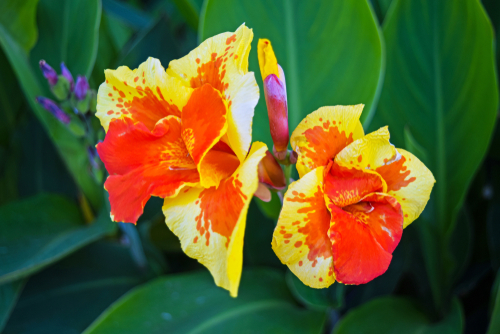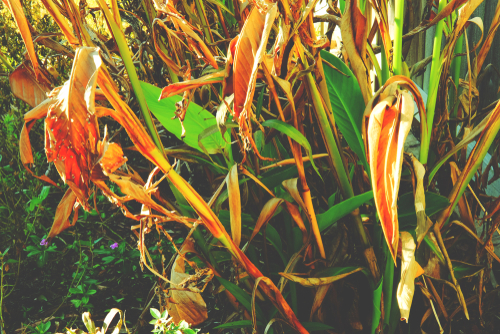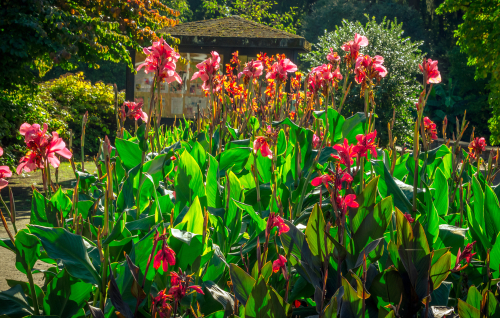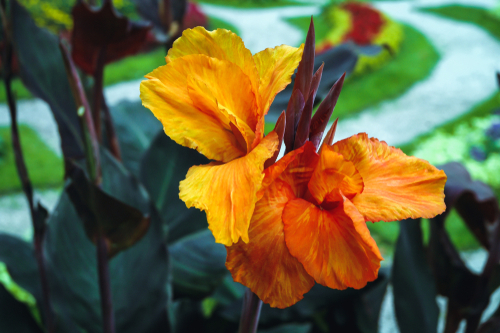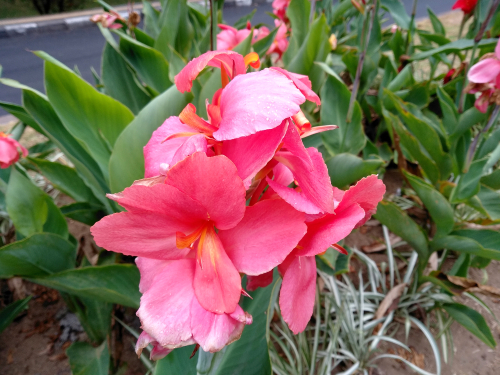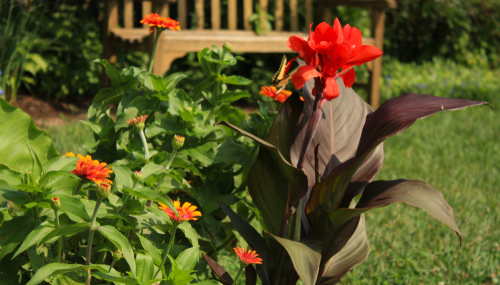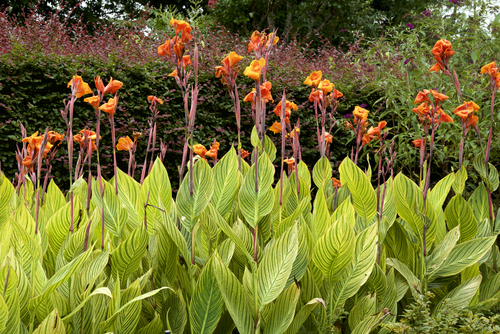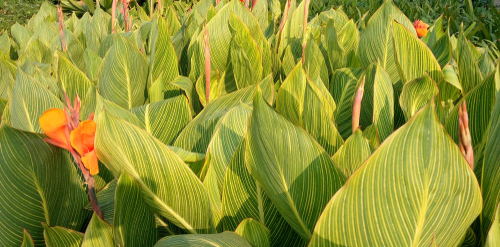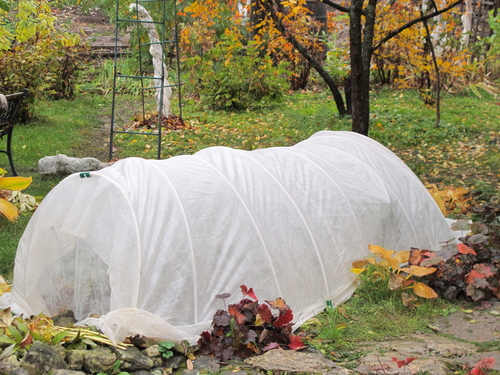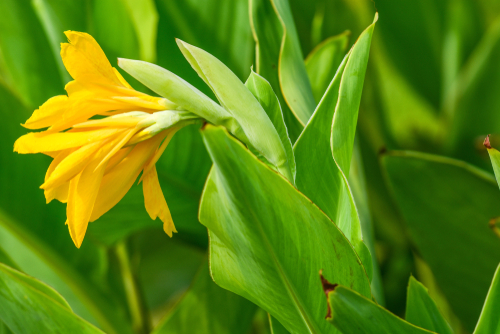
Both *Canna indica* and *Canna paniculata* hail from the sunny regions of Central America. As members of the Canna family (often called “Indian Shot”), these perennial, leafy beauties have become absolute favorites for adding a tropical flair to backyard gardens.
A Tropical Bloom with a Confusing Name
Ever wonder why it’s called *Canna indica*? It actually gets its name from being discovered in the West Indies. The common name “Indian Shot” or “Indian Canna” is actually a bit of a historical mix-up. When Christopher Columbus landed in the Americas, he famously thought he’d found a western sea route to India—so he called the islands the West Indies. The name stuck to the plant, even though it’s a true American native!
An Import from the New World
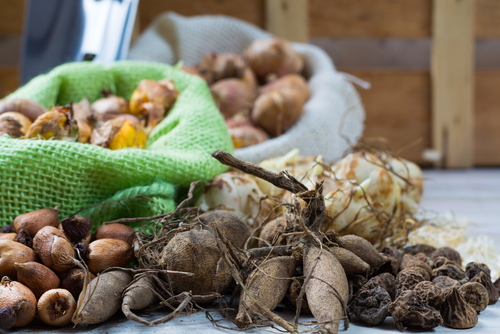
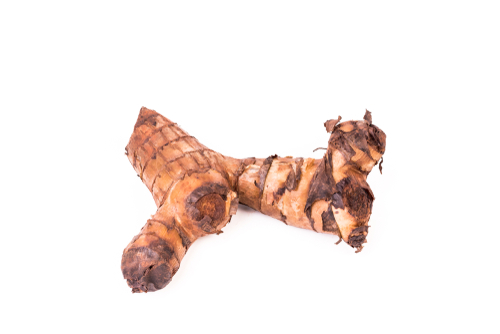
It didn’t take long for European gardeners to fall in love with the Canna’s massive, vibrant blooms. By 1570, the rhizomes (root bulbs) were being shipped across the Atlantic and planted all over Europe. About two hundred years ago, gardeners started getting creative with cross-breeding, which is why we have over a thousand different varieties to choose from today!
Where You’ll Find Cannas
In the wild, you can spot Cannas growing all over the Caribbean, as well as in Colombia, Brazil, Venezuela, and Argentina. They thrive throughout Central America, too. Today, they are commercially grown on a large scale in the West Indies and even throughout Australia.
More Than Just a Pretty Face
While most of us plant Cannas just for their stunning looks, they actually have a long history as a food source for Indigenous peoples in the Americas. The rhizomes are both tasty and nutritious! However, they never quite beat out the potato in popularity because they take a lot longer to grow. One cool advantage they have over potatoes, though? You can actually eat Canna roots raw. On top of that, Native Americans used the large, sturdy leaves as natural wraps for baking and storing food.