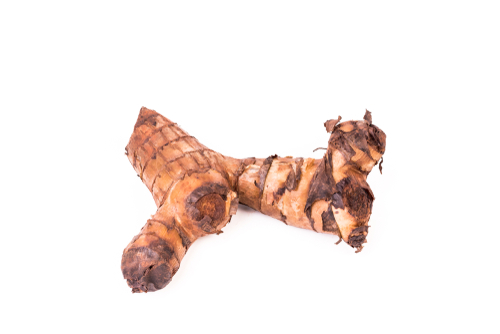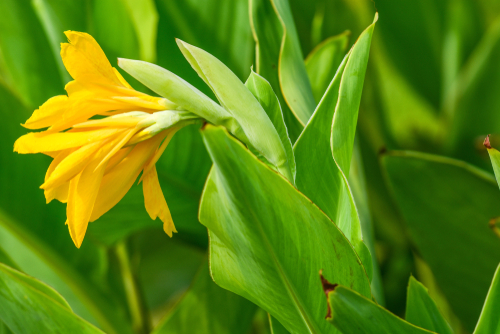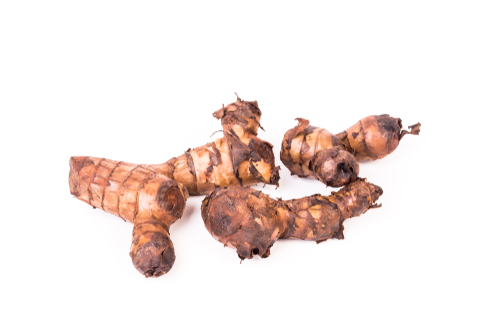
Canna lilies keep all their energy stored underground. Their rhizomes (which look a lot like tubers) are the powerhouses that keep those gorgeous blooms coming from June all the way through fall. But these roots are good for more than just growing flowers—they have a few other cool tricks up their sleeve!
Digging Them Up in the Fall
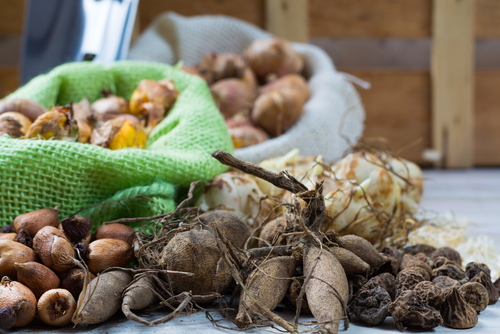
Since Canna lilies originally hail from the tropical regions of Central and South America, they aren’t exactly winter-hardy. Unless you live in a super mild climate (like a coastal area or a protected valley), your Cannas won’t survive a frost outdoors. Once the leaves start turning yellow or brown in the fall, it’s time to dig those tubers up. Store them indoors in a cool, dark spot tucked into some sand or dry soil until spring.
Dividing the Rhizomes
If you want more plants for free, you can use those rhizomes to propagate your Cannas. Just take a spade or a sharp knife and divide the clumps. The main rule of thumb? Make sure every piece has at least one “eye” (a growth point) where a new shoot can start. This is actually great for older plants—it rejuvenates them by focusing all that energy into a strong main shoot rather than a bunch of weak side growth.
Edible Tubers? You Bet!
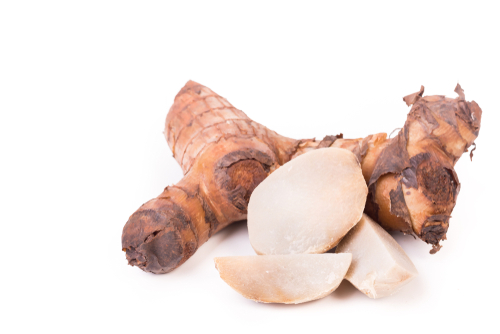
Here’s a fun fact: Canna tubers are actually edible! Long before they were garden favorites, they were a staple crop for indigenous peoples in Central and South America. They eventually lost popularity to the potato, mostly because potatoes grow faster and produce a bigger harvest. If you’re curious about the taste, Canna tubers are:
- Packed with starch
- Floury/mealy in texture when cooked
- Surprisingly sweet
If you decide to try them in the kitchen, just a heads-up: they are very fibrous, so you’ll need to boil them for quite a while to get them tender!