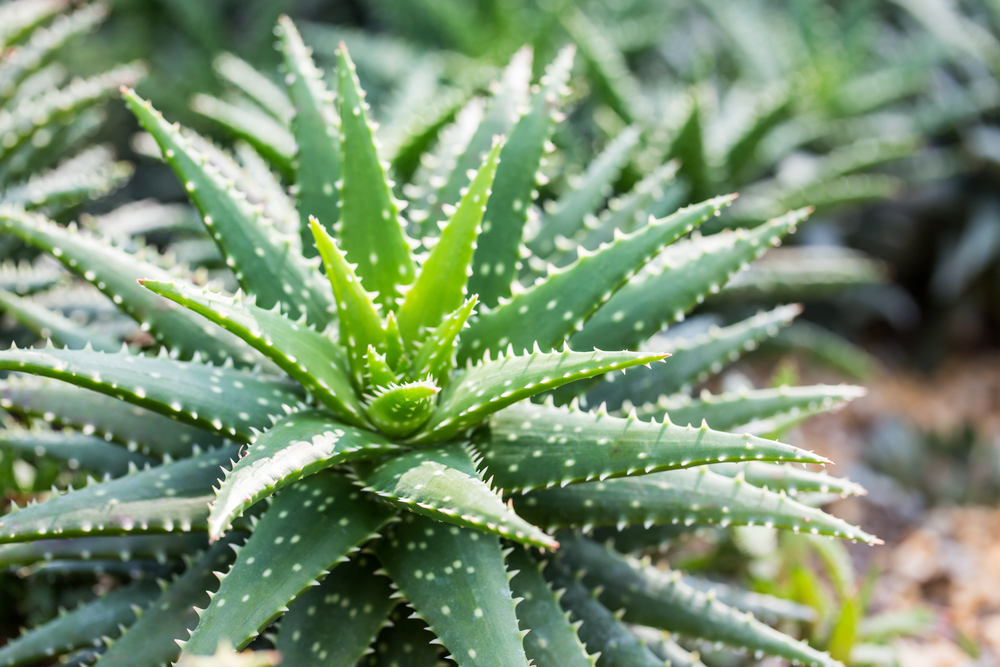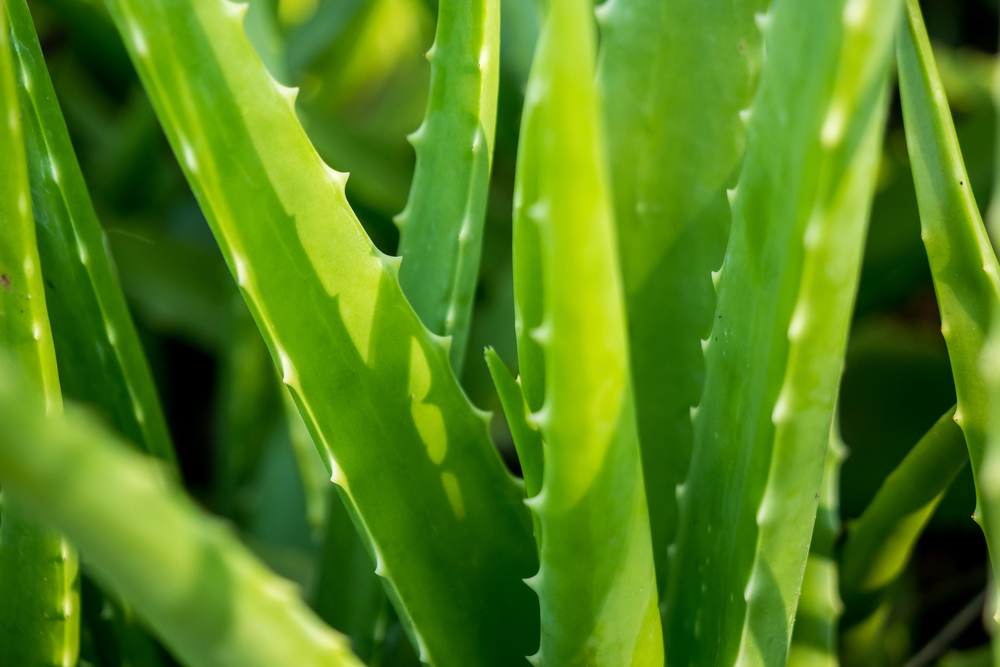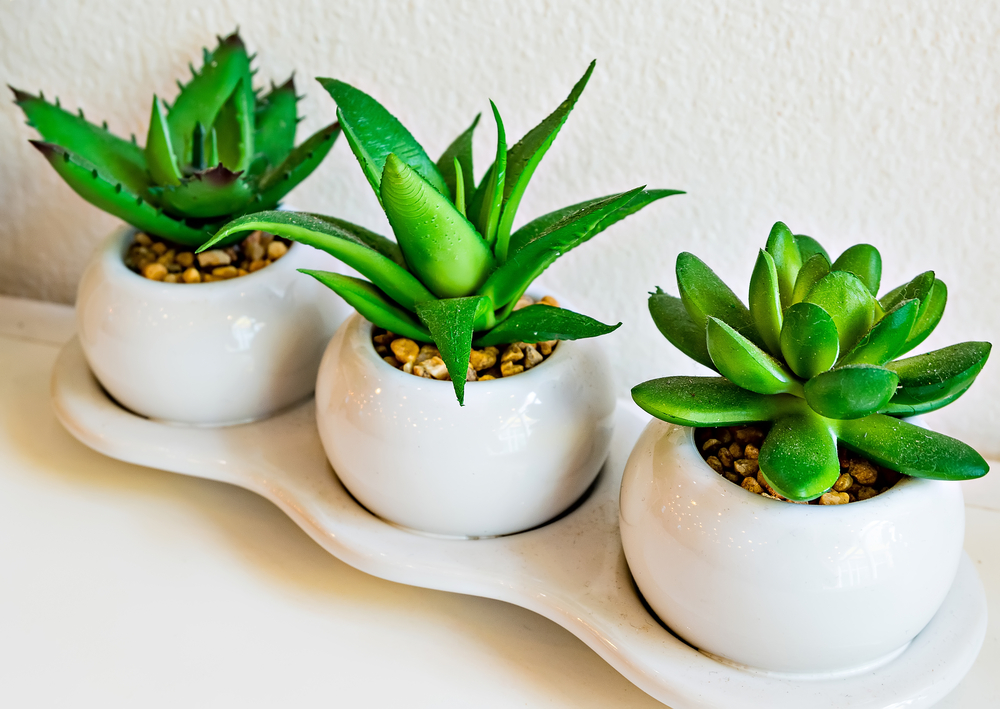
With over 500 different varieties, Aloes offer an incredible amount of diversity for any plant lover. While they’re thought to have originated on the Arabian Peninsula, these striking succulents have made themselves at home across Africa, Asia, Central America, and the Mediterranean. For those of us in cooler climates, they’re most commonly grown as trusty houseplants or as stars of the summer patio. No matter the variety, all Aloes share those signature thick, water-storing leaves with prickly edges, usually growing in a beautiful rosette pattern.
What Makes Aloe Vera So Special?
The most famous member of the family is definitely the Aloe Vera, often called the “Desert Lily.” You might also see it labeled as:
- True Aloe
- Aloe barbadensis
- Aloe vulgaris
- Aloe chinensis
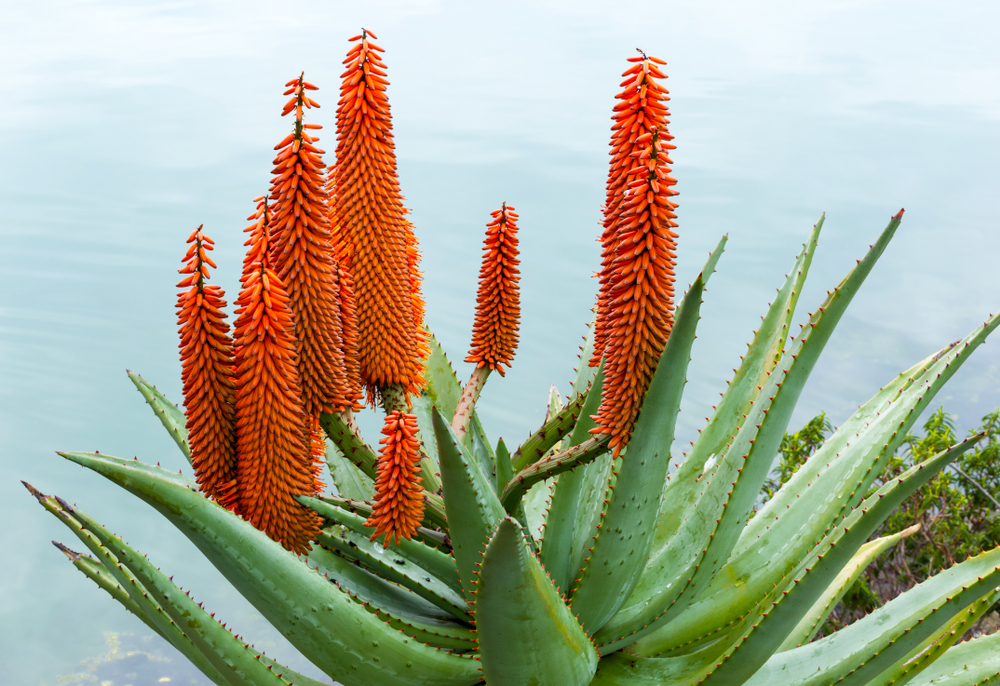
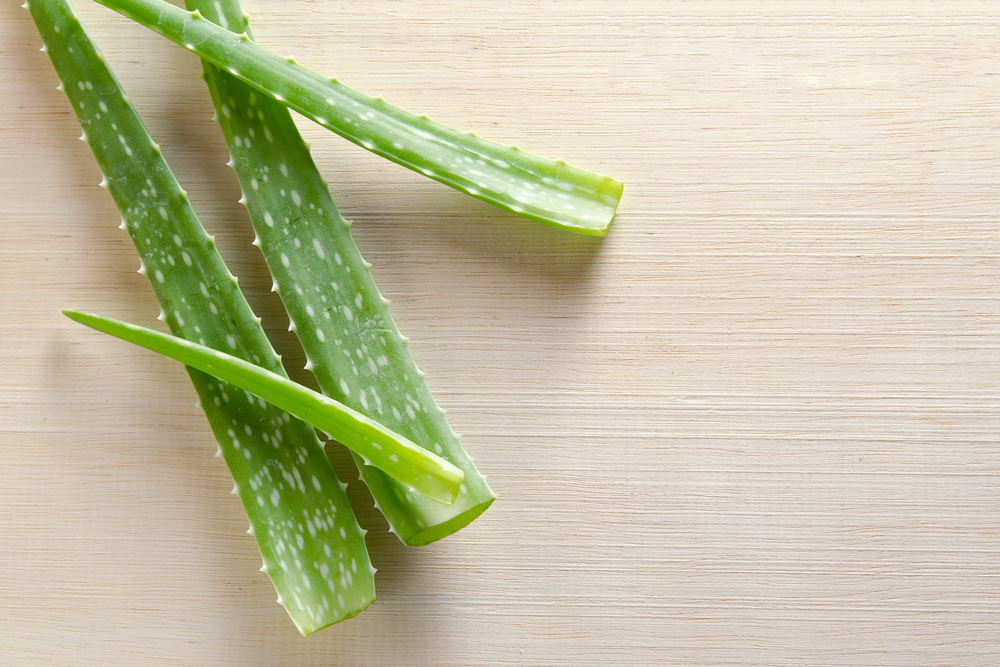
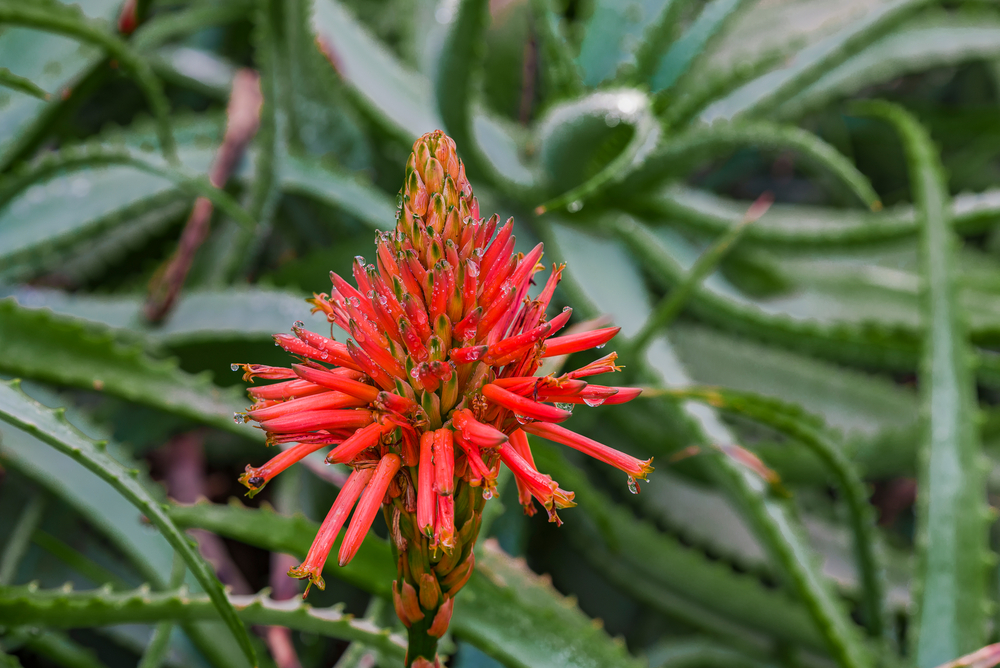
This beauty usually reaches about 14 to 22 inches in height, sporting fleshy, lance-shaped leaves that can grow up to two feet long. They have a lovely blue-green hue, often dappled with white spots and lined with reddish spines along the edges. If you’re lucky, your Aloe Vera might send up tall flower spikes between April and August, showing off tubular blooms in shades of red, orange, white, or yellow.
Aloe Vera: The Ultimate Healing Plant
Aloe Vera is a superstar in the pharmaceutical, cosmetic, and food industries thanks to the soothing properties of its sap. It’s become a total “must-have” in skincare. You’ll find its regenerating nutrients in everything from shampoos and body lotions to infused cotton pads and tissues.
But Aloe Vera isn’t the only healer in the family! Other species have some pretty cool benefits too. The Krantz Aloe (Aloe arborescens) is great for soothing burns and helping animal wounds heal. Aloe ferox is often used for digestive support, and its seed oil is a dream for stressed skin. Then there’s the Mountain Aloe (Aloe marlothii), which works just like Aloe Vera to keep skin hydrated and healthy. If you’ve got a sunburn, the fresh gel from Aloe humilis is a lifesaver, while Aloe barberae is known for its calming properties.
A Quick Guide to Aloe Varieties
With 500+ types out there, some Aloes really stand out from the crowd. Just a heads-up: not all of them are medicinal, and some can actually be mildly toxic to pets, so keep an eye on your furry friends!
- Aloe amudatensis: A stemless variety with vibrant yellow-orange flowers.
- Aloe bainesii: A massive “tree aloe” that can reach heights of 60 feet!
- Aloe broomii: Features stunning bright yellow and white blooms.
- Aloe claviflora: Another stemless type known for its 20-inch red flower spikes.
- Aloe chabaudii: Stands out with its unique reddish-green foliage.
- Aloe dichotoma: Also known as the Quiver Tree, it has a distinct trunk and crown.
- Aloe peglerae: A high-altitude specialist that thrives up to 5,500 feet.
- Aloe plicatilis: Known as the Fan Aloe because its leaves grow in a stacked, fan-like shape.
- Aloe striata: Produces a bold, coral-colored flower.
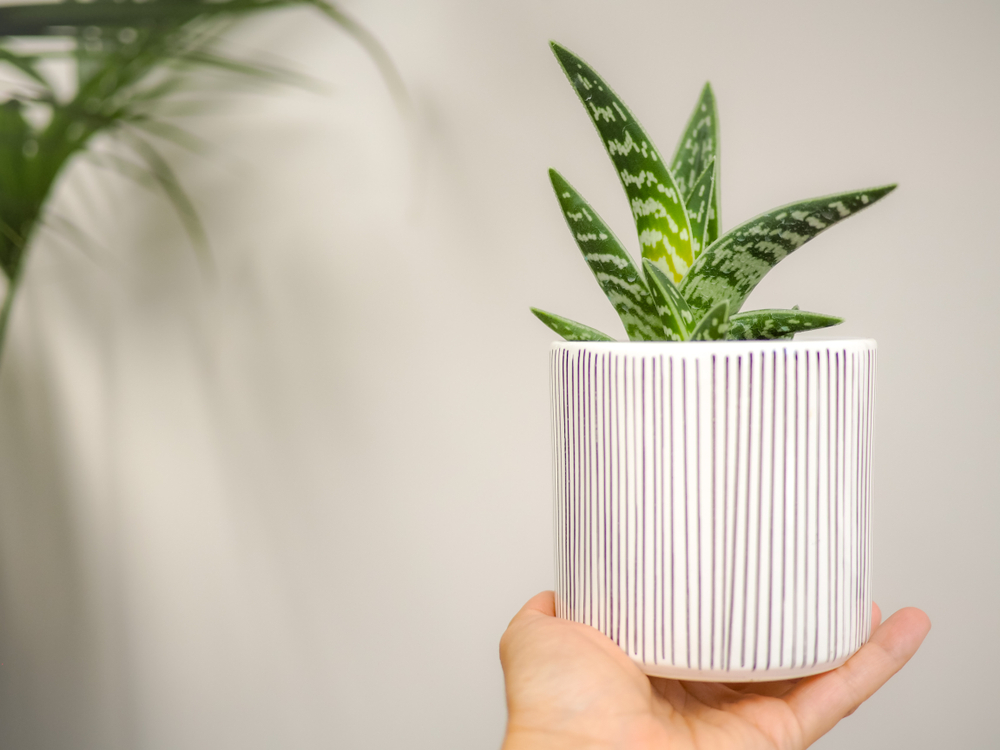
- Aloe variegata: Often called the Tiger Aloe, this stemless variety is famous for its striking spotted leaves.