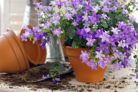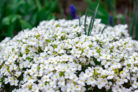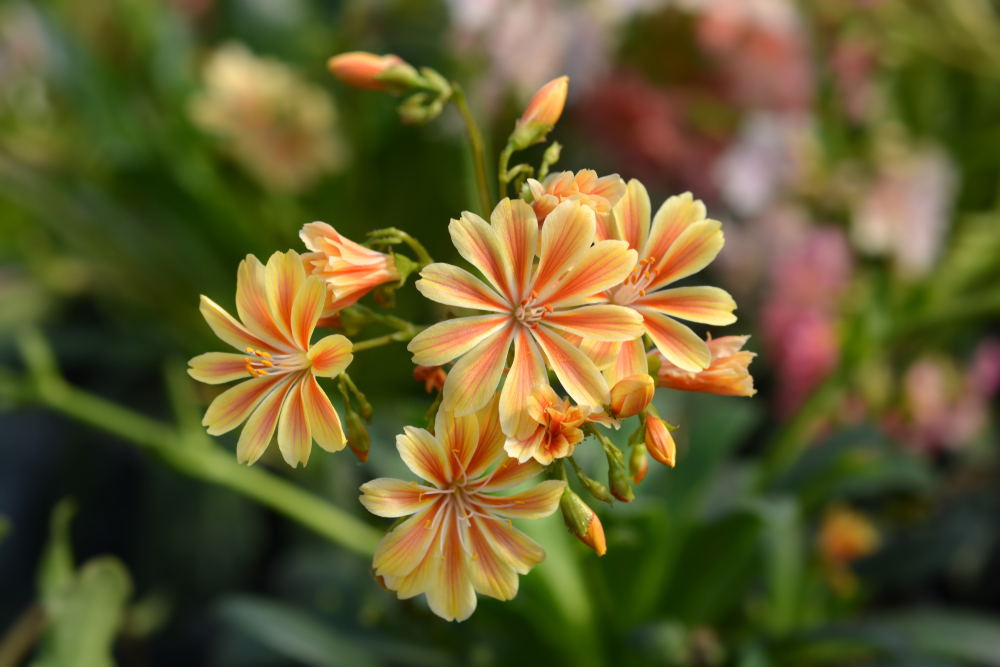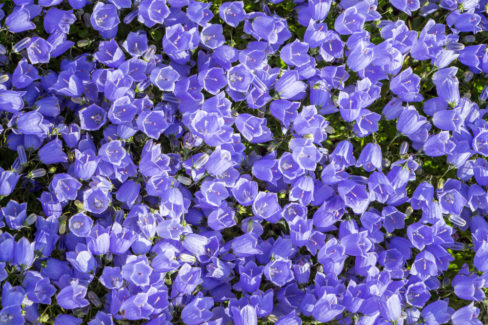
If you take a stroll through almost any blooming garden in the Northern Hemisphere, you’re bound to run into a Bellflower. With over 300 species out there, it’s no surprise that many are named after their native stomping grounds. You’ve probably heard of the Caucasus Bellflower (*Campanula raddeana*) or the Alpine Bellflower (*Campanula alpina*), but today I want to talk about one of my personal favorites: the Tussock Bellflower, also known as the Carpathian Bellflower (*Campanula carpatica*).
A True Mountain Native
As the name suggests, this little beauty hails from the Carpathian Mountains. We’re talking about a high-altitude range that reaches peaks of over 8,000 feet in its southern stretches. Most of this range sits in Romania, where the continental climate serves up some seriously brutal winters. Because it grew up in such a tough neighborhood, this plant is a real survivor.
Totally Winter Hardy
In the wild, you’ll usually spot the Carpathian Bellflower tucked along the edges of mountain forests or clinging to rocky ledges. Even though it’s totally exposed to the elements up there, it handles the wind and snow like a champ. This means that for those of us gardening in temperate climates, this plant is considered completely winter hardy. It’s a “set it and forget it” kind of perennial when it comes to the cold, and it overwinters without any fuss.
Deep Freezes? No Problem!
This plant can handle temperatures dropping down to -4°F (minus 20 degrees Celsius) without breaking a sweat. Like most perennials, the Carpathian Bellflower’s foliage will die back in the fall. Don’t worry, though—it’s not gone for good! The rhizomes (the underground root structures) stay tucked away safely in the soil all winter long. As soon as spring rolls around, they’ll send up fresh new shoots to start the cycle all over again.
A Quick Heads-up for Container Gardeners
While this species is a rockstar in the ground, things are a little different if you’re growing them in pots. Because the roots in a container aren’t insulated by the earth, they’re more vulnerable to freezing solid. If you have your Bellflowers in pots, I recommend moving them close to the house wall or finding a somewhat sheltered spot to help them get through the worst of the frost.
Here’s the “too long; didn’t read” on the Carpathian Bellflower:
- It is extremely winter hardy.
- It can survive temperatures as low as -4°F (-20°C).
- If kept in pots, give them a little extra protection in a sheltered area.