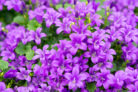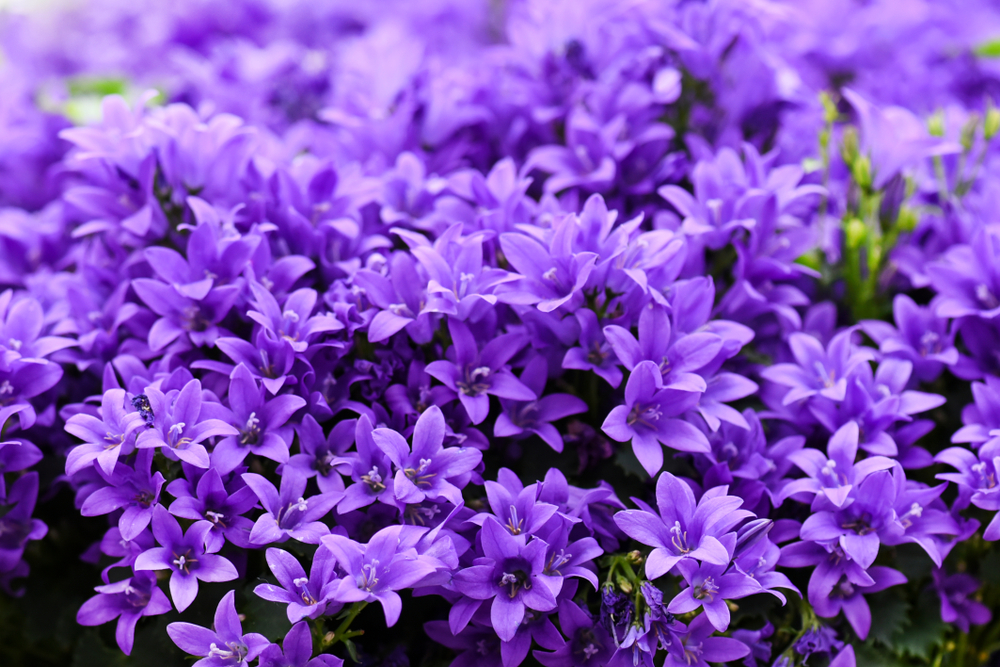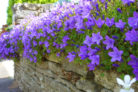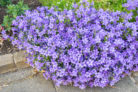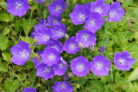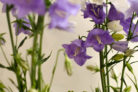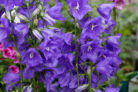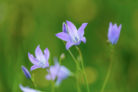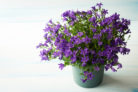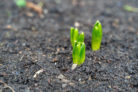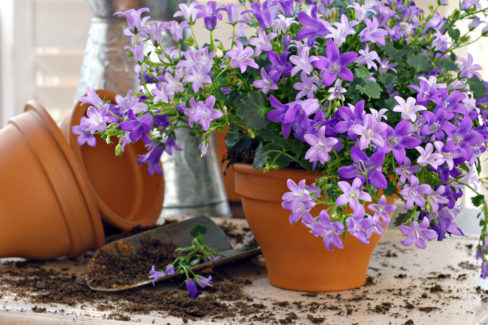
Did you know there are anywhere from 300 to 500 different species of Bellflowers (also known as *Campanula*)? These beauties are found all across the Northern Hemisphere, popping up everywhere from chilly high-mountain peaks to more temperate, mild regions. Because they come from such diverse backgrounds, whether or not your Bellflowers will survive the winter really depends on which specific variety you’ve got in your garden.
Native and Hardy Varieties
If you’re growing Meadow Bellflowers or Canterbury Bells, you can breathe easy when the frost hits. These species are originally from Central Europe and are naturally winter-hardy. It’s even easier for the alpine varieties; since they’re used to long, brutal winters in the mountains, they’ll handle a standard backyard winter without breaking a sweat. You can leave these guys right in the ground, and they’ll be just fine.
Mediterranean Bellflowers
On the flip side, we have the Bellflowers that hail from sunnier, Mediterranean climates. These varieties aren’t exactly fans of the deep freeze. Honestly, for these southern types, your best bet is usually just to sow new seeds next spring. While you *could* try to move them indoors for the winter, it’s a lot of work and, unfortunately, doesn’t always work out.
Caring for Potted Bellflowers
If you’re growing your Bellflowers in pots on the balcony or patio rather than in a garden bed, the rules change a bit. Since they’re already in containers, it’s a smart move to bring them inside once late fall rolls around. The trick is finding the right spot: they need a cool room where the temperature stays below 50°F (10°C). Interestingly, they don’t need much light during their nap—a dark location is actually preferred during the winter months.
To sum it all up, here’s your game plan for winterizing Bellflowers:
- Stick with native or alpine species if you want plants that return year after year.
- For heat-loving Mediterranean varieties, treat them as annuals and re-sow in the spring.
- If you have potted plants, move them to a cool, dark spot indoors to wait out the cold.