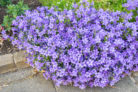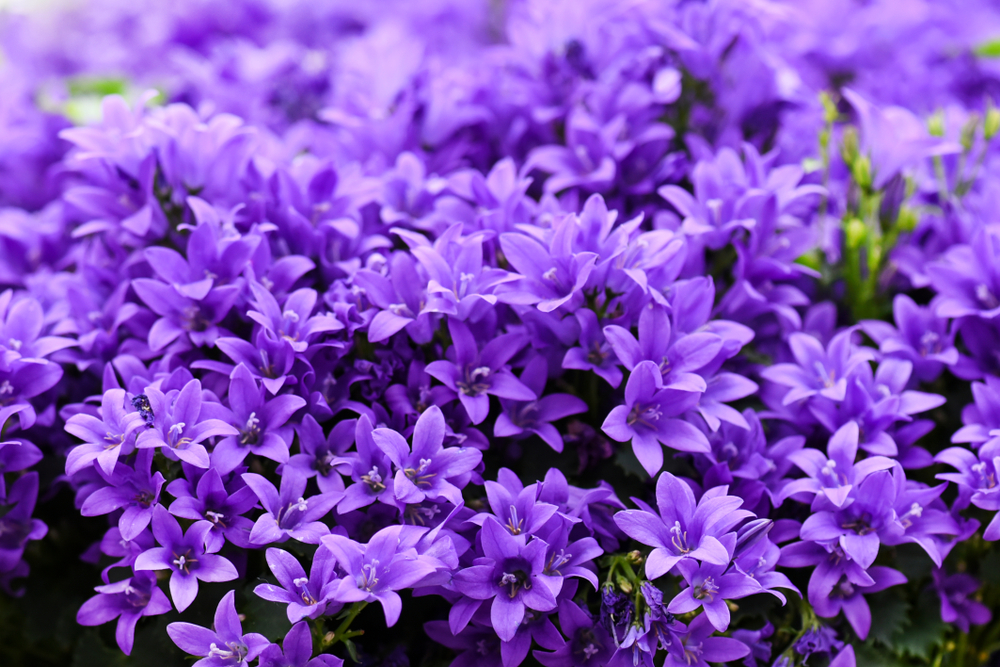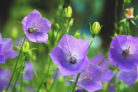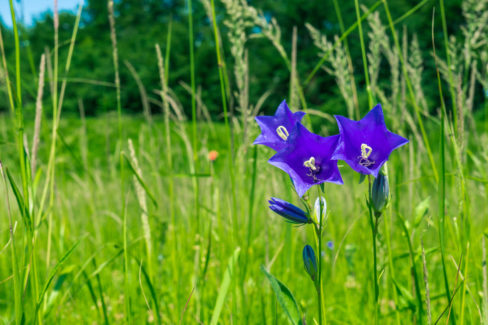
It’s no secret why the Campanula—or bellflower, as most of us call it—is a total superstar in the gardening world. Between those lush, overflowing mounds of foliage and a blooming season that seems to go on forever, what’s not to love? If you want yours to really show off, the trick is making sure it’s happy in its home. To get those vibrant blooms, you’ll need to check off a few boxes first.
It All Depends on the Variety
I wish I could give you a “one size fits all” rule for where to plant your bellflowers, but it’s not quite that simple. There are actually between 300 and 500 different species of Campanula out there! They’re found all over the Northern Hemisphere, which means a variety from the high alpine mountains is going to want something very different than a variety from the sunny Mediterranean lowlands.
Sunlight: Finding the Sweet Spot
The biggest difference between varieties is how much sun they can handle. For example, the Great Bellflower (Campanula latifolia) is a shade lover and thrives in partial to full shade. On the flip side, the Spreading Bellflower (Campanula patula) is a total sun worshiper. Before you head to the garden center, take a look at your yard’s light levels so you can pick the variety that fits your specific spot.
Keep the Soil Lean
While they might disagree on sunlight, most bellflowers are on the same page when it comes to dirt. They actually prefer soil that’s a bit nutrient-poor and on the alkaline side (high lime content). The most important thing, though? Drainage. These plants hate “wet feet,” so make sure your soil is loose and well-draining to avoid any standing water.
Growing in Pots
If you’re planning on starting seeds for your balcony garden, the same rules apply. Think about which direction your balcony faces—is it baking in the afternoon sun or tucked away in the shade? Once you know your light situation, you can choose a container-friendly variety that will thrive in that environment.
When picking the perfect spot for your bellflowers, just keep these three things in mind:
- Sunlight: Match the variety to your light levels (shade vs. sun).
- Soil Quality: Go easy on the fertilizer; they like nutrient-poor soil.
- Drainage: Ensure the soil or potting mix drains quickly.