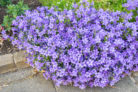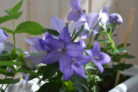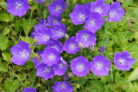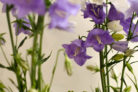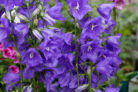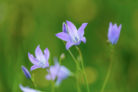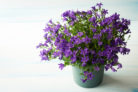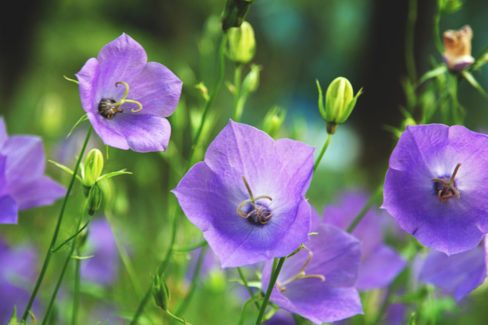
While many plants are picky about where they grow, you can find bellflowers (Campanula) just about everywhere. They’re especially common across the Northern Hemisphere, which means these 300+ species have learned to handle all sorts of different climates.
Many varieties are tough as nails
Native varieties like the Peach-leaved bellflower (Campanula persicifolia) or the Spreading bellflower (Campanula patula) have no trouble at all surviving a cold winter outdoors. The same goes for species that are used to even harsher conditions, like the Caucasus bellflower (Campanula raddeana), the Alpine bellflower (Campanula alpina), and the Clustered bellflower (Campanula glomerata).
The winter “vanishing act”
The reason bellflowers handle winter so well is that they are classic perennials. When the cold hits, the top parts of the plant die back, but don’t worry—the roots (rhizomes) staying safe underground are perfectly fine. They’ll send up fresh new shoots as soon as spring rolls around. Depending on which variety you choose, you can pretty much decide how much “fall cleanup” you want to deal with.
Annuals and biennials
You’ll also find bellflowers in warmer spots like the Mediterranean. While these varieties grow beautifully during the summer, they usually won’t survive a freezing winter outside. Even though they are technically perennials in their home climate, many gardeners treat them as annuals or biennials and just replant them every year. But, if you have a favorite, you don’t have to let it go—you can always dig it up in the fall!
Moving to winter quarters
If you decide to save your more delicate bellflowers, just dig them up and pop them into a pot. One of the coolest things about bellflowers is that they don’t need any sunlight during their winter nap; they actually prefer a dark spot. The key is keeping them cool so they can stay dormant—around 50°F (10°C) is the sweet spot. Once spring arrives, you can start putting the pots outside during the day. Just wait to move them back into the garden beds until the threat of frost has passed in May.
To wrap it all up:
- Most bellflower species are totally winter-hardy.
- Annual or biennial types usually need to be replanted from seed.
- Alternatively, you can overwinter delicate varieties in a cool, dark room.