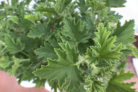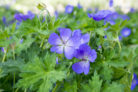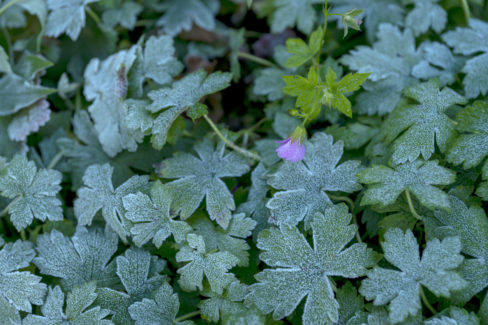
If you’re looking for a true MVP for your garden, look no further than the Cranesbill Geranium. This genus is incredibly versatile, with about 430 different species to choose from. Some, like the Meadow Cranesbill, are even native to our neck of the woods. These hardy perennials can handle just about any job you give them—whether they’re acting as a lush groundcover under taller shrubs or stealing the show as a vibrant “flower cushion” in your favorite garden bed. But as the temperatures start to drop, every gardener asks the same thing: how do I get my Geraniums through the winter?
Cranesbill Geraniums are Winter Hardy
The great news is that these low-maintenance beauties are naturally winter hardy. Once the spectacular summer show is over, here’s how you can prep them for the cold months ahead:
- If you live in an area with bone-chilling frosts, it’s a good idea to cover the root zone with some evergreen boughs for extra insulation.
- At the very end of winter, you’ll want to cut the perennial back close to the ground to make room for fresh new growth.
- If you’re growing your Geraniums in pots or containers, they’ll need a little extra TLC to survive the freeze.
- Elevate your pots by placing them on an insulating base, like a thick piece of wood or a slab of Styrofoam.
- Wrap the container itself in burlap, garden fleece, or even bubble wrap to protect the roots.
- Top off the plant with some pine branches for a cozy winter layer.
Prepping for Bloom Season
As soon as the ground thaws and winter is in the rearview mirror, prune your Cranesbill back to just above soil level. This “haircut” is the secret to encouraging vigorous new growth. While you’re at it, give the soil a boost with a well-balanced fertilizer. I’m a big fan of organic options like aged compost or horn meal. With that bit of fuel, your Geraniums will push out strong stems and a carpet of blossoms. Some varieties even benefit from a second pruning after their first bloom. This trick works great for early-blooming types to encourage a second flush of flowers. Late-bloomers, on the other hand, will keep the party going right into late autumn and can be prepped for winter immediately after they finish.
General Care Tips
Once your Cranesbill has settled into its perfect spot, it’s pretty much on autopilot. The only thing to keep an eye on is water; requirements vary depending on the specific variety, with some being thirstier than others. The best part? Pests and diseases rarely bother these plants. Even those pesky slugs that usually devour everything in sight tend to give Cranesbill a wide berth!