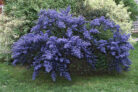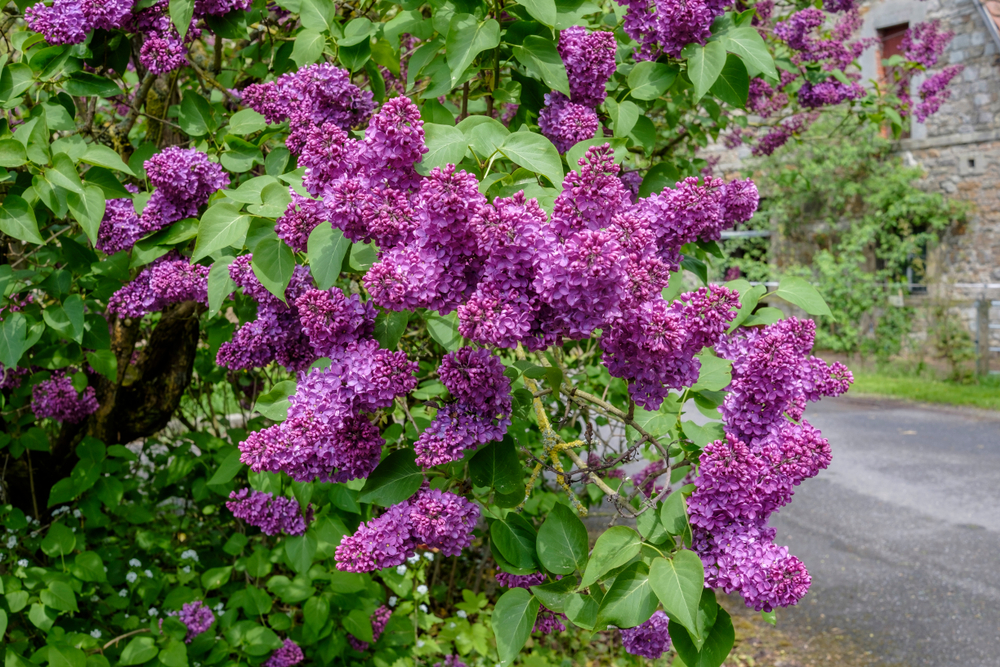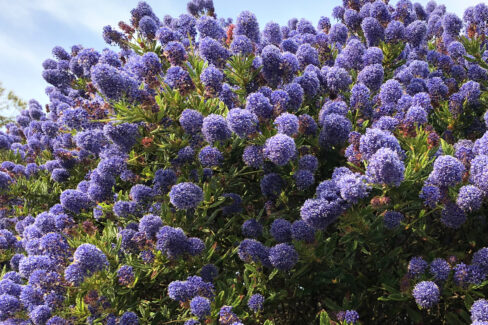
California Lilacs (Ceanothus) make fantastic hedges because they love to branch out both wide and tall. Plus, they’re incredibly low-maintenance—a huge win when you’re dealing with a long row of plants!
Which variety should you choose for your hedge?
Even though they’re often called “California Lilacs,” these beauties vary quite a bit when it comes to chilly weather. Depending on the variety, some can only handle a light frost (around 20°F), while others are tough enough to survive temperatures down to 5°F. For a reliable hedge, you’ll want to pick a hardy variety that can stand up to those double-digit freezing temps.
If you already have a favorite Ceanothus in your yard, you can actually propagate it to start your hedge. Just a heads-up: for the taller, upright varieties, you’ll need to use cuttings or seeds. Layering (pinning branches to the ground) usually won’t work with those taller types.
How do you plant a California Lilac hedge?
The best time to get your hedge in the ground is between March and May. This gives the plants plenty of time to get settled and establish a strong root system before their first winter. Start by digging over the soil in your planting area, making sure to clear out any weeds, old roots, or large rocks. Mix in some well-aged compost to give your new plants a nice nutrient boost right from the start.
Here’s your step-by-step planting guide:
- Give the root balls a good soak in a bucket of water before they go into the ground.
- Dig a trench or individual holes slightly deeper than the root balls.
- Space the plants a bit closer together than you would for a standalone shrub. Aim for about 15 to 20 inches apart (you might go even closer for dwarf varieties).
- Fill in the gaps with soil.
- Gently tamp down the earth and give everything a final watering.
How do you care for your new hedge?
One of the best things about a Ceanothus hedge is that it doesn’t ask for much. Here’s the basic routine:
- Water regularly, but don’t overdo it—they like to stay moist but not soggy.
- Go easy on the fertilizer; they don’t need much.
- Give them an annual pruning to keep the shape nice and tidy.
- Apply a layer of mulch to help retain moisture and protect the roots from frost.