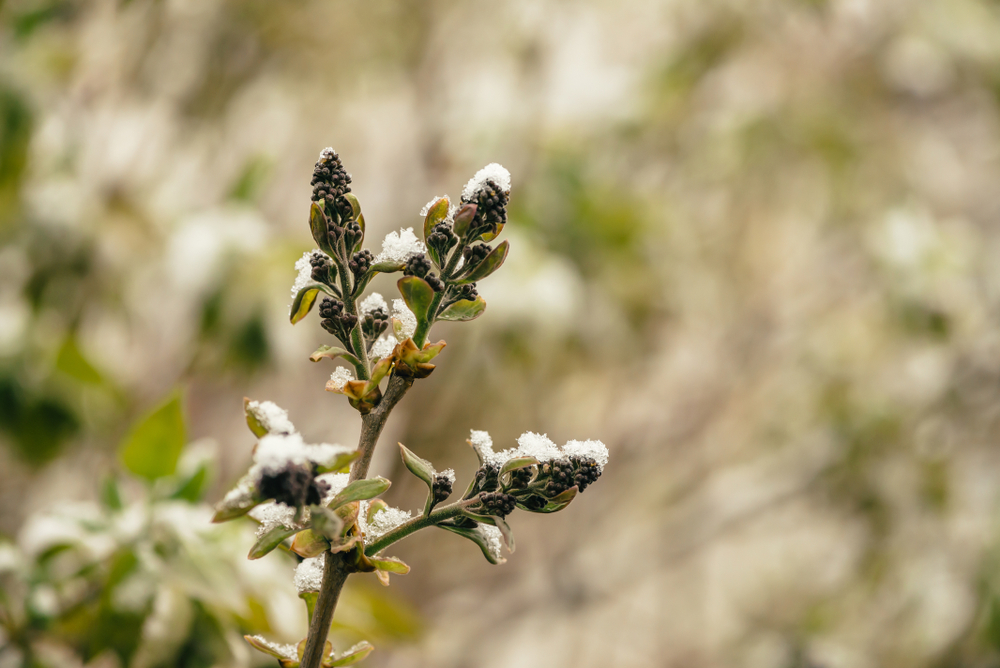
Generally speaking, California Lilacs (Ceanothus) are pretty tough cookies when it comes to chilly weather. However, if the mercury drops too low, they can definitely suffer from frostbite. The good news? In most cases, a frost-damaged plant will bounce back just fine if you give it a little TLC.
When is it actually too cold for California Lilacs?
California Lilacs are generally considered hardy, but “hardiness” depends a lot on the specific variety you have. Some can handle a deep freeze better than others. Usually, frost damage happens because of:
- Temperatures plunging between 20°F and 5°F (-7°C to -15°C)
- Potted plants left out in the open without protection
- Waterlogging or “wet feet” caused by melting snow
- Harsh, icy winter winds
How can you tell if your plant has frost damage?
Once spring rolls around, you’ll see your California Lilac starting to push out new growth. If certain branches stay dry, brittle, and bare, those parts likely froze over the winter. It’s pretty rare for the entire shrub to die off completely, but it can happen if you had a brutal winter and the plant wasn’t protected.
How do you save a frost-damaged California Lilac?
If the entire plant has turned into a dry stick, it might be too late. But more often than not, it’s just the tips or a few branches that took a hit. With a little help, your shrub will be back in action in no time.
Start by clearing out all those dead, frozen branches. You’ll want to prune them back generously—make sure you cut down to where the wood is still healthy so no dry bits are left behind. A small dose of liquid fertilizer can give it a nice energy boost for recovery, but don’t overdo it! Too much fertilizer can lead to yellow leaves. Keep up with your regular watering schedule, and soon enough, you’ll see fresh green shoots popping out from the pruned areas.
How can you prevent frost damage in the first place?
Since we never quite know what Mother Nature has in store, it’s always best to prep your plants for the worst. A thick layer of mulch, evergreen brush, or fallen leaves around the base is a great insurance policy. If your shrub is in a particularly windy spot, wrapping it in some garden fleece can help shield it from those biting winter gusts.
If you’re growing yours in a container, the safest bet is to move it into a cool, frost-free spot like a garage or shed. If that’s not an option, try elevating the pot off the cold ground and wrapping it in an old blanket, burlap, or even bubble wrap to keep the roots cozy.