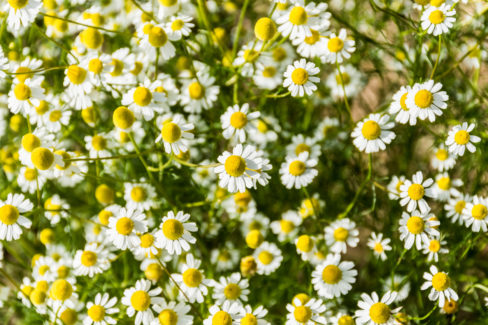
German Chamomile—or Matricaria chamomilla if you want to get fancy with the botanical names—is hands down one of the most essential medicinal herbs you can grow. Because it’s so incredibly versatile, it’s a favorite for foragers and home gardeners alike. Whether you spot it growing wild or tuck it into your own flower beds, this hardy little herb is easy to care for and puts on a beautiful show once a year with its iconic blossoms.
Characteristics of Chamomile Flowers
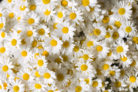
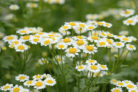
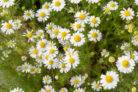
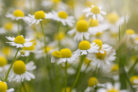
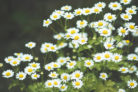
With its bright white petals and sunny yellow centers, chamomile is pretty easy to spot from a distance. To the untrained eye, it looks a bit like an oversized daisy. The flower head itself has a unique shape, too—it’s slightly concave and curves upward, forming a little hollow dome in the center.
You’ll often see chamomile decorating fields, roadsides, and meadows like a floral carpet, but it’s just as happy in a backyard garden. One of the best parts about having it around is that unmistakable, calming scent it releases. Since the plant grows in a very branched, bushy way, it’s actually quite prolific. Each of those little yellow flower heads is surrounded by twenty to forty white ray florets, and those heads are exactly what you’re looking to harvest for their healing properties.
Summer Bloom Time
Chamomile plants usually start opening their buds between mid-May and late September, giving them an impressively long blooming season of up to five months. However, the “peak” season—and the best time to get your harvest in—is during the heat of June and July. This is when the majority of the flower heads are wide open and looking their best before they start to fade.
When the Blooms are Out, It’s Harvest Time
Because chamomile stays in bloom for so long (sometimes right into early autumn), it’s easy for gardeners to get a little lazy and put off the harvest. But here’s a pro tip: as the flowers get older, those white petals start to droop downward toward the ground.
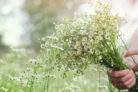
If you’re looking for the highest concentration of those beneficial essential oils, you want to pick the flowers about three to five days after they first open. Of course, if you’re foraging in a wild field, it’s hard to know exactly when a bud popped! A good rule of thumb is to start your harvest when about two-thirds of the patch is in full bloom while the rest of the buds are still closed.
Fun fact: According to old botanical traditions, June 24th—St. John’s Day—is the official kickoff for the annual chamomile collection. It’s a great reminder to get out there and start picking!