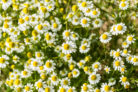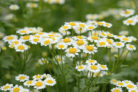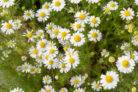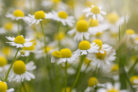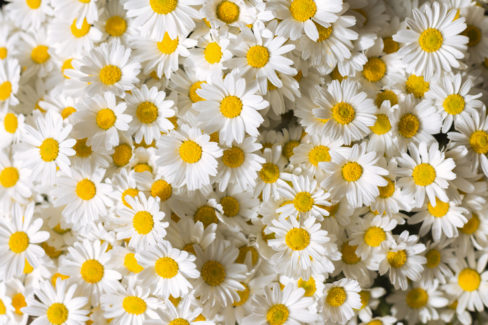
German Chamomile is one of the most famous and useful medicinal plants out there. A member of the daisy family (Asteraceae), this herb is primarily grown for its iconic white-and-yellow flowers. These little blooms are powerhouses, producing essential chamomile oil used in everything from tinctures and salves to soothing skin creams.
The Botany of German Chamomile
Beyond its common name, German Chamomile goes by the botanical name *Matricaria chamomilla*. It’s an annual herbaceous plant belonging to the massive Asteraceae family. Since this is one of the most diverse plant families on the planet, chamomile is in good company alongside a huge variety of other medicinal herbs and perennials.
Fun fact: Because it’s a composite flower, German Chamomile is actually related to dandelions, arnica, sunflowers, marigolds, and even mugwort!
Where It Grows
Originally, German Chamomile called Southern/Eastern Europe and Western Asia home. Over time, however, this hardy plant has spread across every continent and now grows all over the world. You’ll find it growing wild in meadows, but it’s also very easy to grow in your own garden.
Pro Tip: If you’re planning to grow your own, chamomile thrives in nutrient-rich, loamy soil. It loves open fields or fallow land with nice, loose soil.
How to Use German Chamomile
First and foremost, German Chamomile is a medicinal superstar. It’s widely used to help soothe or relieve a variety of issues, including:
- Colds and respiratory symptoms (like a runny nose, cough, or scratchy throat)
- Gum inflammation or other mouth and throat irritations
- Digestive issues or an upset stomach
- Skin irritation (think sunburns, minor burns, or even stubborn breakouts)
Because of its calming properties, it’s a favorite for teas and relaxation drinks. While the dried flowers don’t play a huge role in cooking, the fresh, pretty blooms make a lovely garnish or a unique addition to a wild herb salad.
Don’t Get It Confused!
It’s easy to mistake German Chamomile for “False Chamomile” or Scentless Mayweed. While they look almost identical, these look-alikes don’t offer any of the medicinal benefits. The biggest giveaway is the scent—or lack thereof. Real German Chamomile has that signature, soothing fragrance.
Pro Tip: If you’re still not sure if you’ve found the real deal, slice a flower head in half. If the center is hollow, you’ve found the true medicinal German Chamomile!