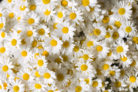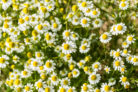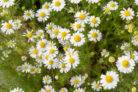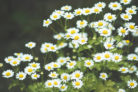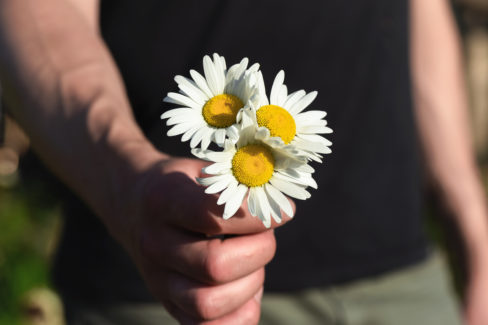
Whether you’re using it for a calming tea or as a natural remedy, chamomile flower heads have been a staple in our gardens and medicine cabinets for ages. Originally from Western Asia and Eastern Europe, this versatile plant now grows wild all across the country—and it’s a breeze to grow in your own backyard, too.
Ready to stock up? Here is my guide on how to harvest chamomile like a pro:
Step 1: Identifying “True” German Chamomile
There are quite a few chamomile look-alikes out there, so you’ll want to make sure you’re picking the right one. Only “True” German Chamomile (and the less common Roman Chamomile) packs the medicinal punch we’re looking for.
You can spot German Chamomile by looking for these specific traits:
- That unmistakable, strong chamomile fragrance.
- Flower heads that are slightly curved or cone-shaped.
- A hollow center (if you cut the yellow flower head in half, it’s empty inside!).
- Smooth, linear white petals (unlike the jagged ones on Stinking Chamomile).
- Mature flowers often have petals that droop downward.
By the way, don’t panic if you accidentally pick a “false” variety. Most look-alikes aren’t toxic; they just don’t offer the same healing benefits.
Where to Find Chamomile
You’ll find German Chamomile popping up in meadows, fields, and even along roadsides or old stone walls. This hardy herb loves warm, sunny spots. In fact, many farmers actually consider it a weed!
A quick tip for foragers: try to harvest in secluded, natural areas. Avoid picking flowers near busy highways, heavily fertilized lawns, or commercial farm fields that might have been sprayed with pesticides. You want your tea to be pure, not full of pollutants!
The Best Way to Harvest
For the best results, head out on a dry summer day around lunchtime. During the peak blooming season (usually June and July), the essential oils are at their strongest when the sun is high. Only pick flower heads that look healthy, clean, and—most importantly—bug-free.
Whatever you do, don’t wash your chamomile flowers with water! They need to stay dry to preserve their quality. Instead, spread them out in a single layer on some newspaper. Let them dry in a dark, warm spot (ideally between 70°F and 80°F) until they are crisp.