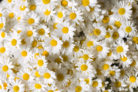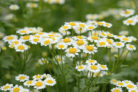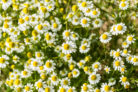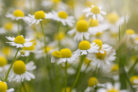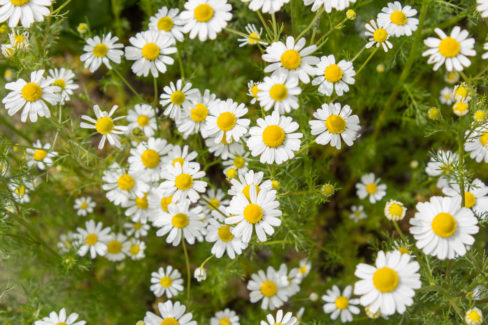
German Chamomile is one of the world’s oldest medicinal herbs, with roots going all the way back to the Stone Age. This soothing little plant is a total powerhouse when it comes to natural healing, offering a ton of benefits for the body. But here’s the tricky part: there are quite a few “look-alikes” out there.
If you want to make sure you’re picking the real deal, here’s how to spot the true German Chamomile in the wild.
How to Identify Real German Chamomile
You can tell German Chamomile apart from its cousins by looking for these specific traits:
- Height: It usually tops out around 20 inches (50 cm), depending on the soil. Other varieties, like Stinking Chamomile, tend to grow much taller.
- The Scent Test: This is the big one! Real chamomile has that unmistakable, sweet, apple-like fragrance. “False Chamomile” looks almost identical but has no scent at all.
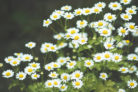
- The Flower Head: Look for a cone-shaped yellow center with white petals that droop slightly downward.
- The Petals: The white “ray florets” have smooth edges. If you see jagged or notched edges, you’re likely looking at a variety of Dog Fennel or Mayweed.
- The Hollow Center: This is the ultimate “pro” tip. If you slice a flower head down the middle, the center should be hollow. False Chamomile and Dog Fennel have solid, flat centers.
Where to Find Wild Chamomile
German Chamomile is pretty hardy and grows all over the place. It loves soaking up the sun and thrives in warm spots. You’ll often spot this wild herb growing along roadsides, at the edges of farm fields, in meadows, or even popping up near old stone walls and gravel pits.
A word of caution: Be careful about where you forage. Many farm fields are treated with pesticides or chemical fertilizers, which you definitely don’t want in your tea! These chemicals can ruin the medicinal properties of the plant.
Pro Tip: Avoid harvesting plants right next to busy roads, too. They can soak up exhaust fumes and heavy metals from traffic.
When is the Best Time to Harvest?
German Chamomile typically blooms between May and September. If you’re looking to get the most out of those potent essential oils, aim to harvest in mid-summer (June or July). This is when the oil content peaks—the flowers have had enough time to mature but aren’t overripe yet.
The Golden Rule for Harvesting: The perfect time to pick is when about two-thirds of the flowers in a patch are fully open, but you still see a few stray buds that haven’t popped yet. That’s when the plant is at its strongest!