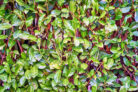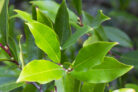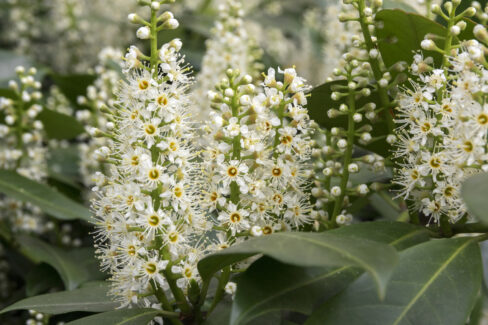
Downy mildew is a pesky fungal disease that can really take a toll on your garden. If you spot it on your cherry laurel, don’t panic! With a few pro tips and the right approach, you can nurse your plants back to health in no time. Here’s everything you need to know to get your laurel looking lush again.
How to Spot Downy Mildew
The name “downy mildew” actually gives you a pretty big hint on what to look for. When this fungus hitches a ride on your plant, you’ll notice a white, fuzzy growth on the undersides of the leaves—it looks a lot like a dusting of flour or a patch of morning dew. On the top side of the leaves, you’ll usually see purple or brown spots starting to form. This fungus loves damp weather and needs constant moisture to really thrive and spread.
If you catch it early, you might be able to stop it in its tracks before it takes over the whole bush. Simply grab a pair of clean garden shears and prune away any affected branches. Make sure you cut off the infected areas completely. Pro tip: Don’t toss those clippings into your compost pile! The fungus can survive there and spread to the rest of your garden. It’s much better to bag them up for the trash or burn them if your local ordinances allow it.
Fighting Back Against Downy Mildew
If the mildew has already made itself at home on your cherry laurel, a quick trim might not be enough. While some gardeners reach for store-bought fungicides, keep in mind that those often introduce harsh chemicals into your backyard ecosystem. I personally prefer a gentler, more natural approach. Believe it or not, you probably have some great remedies sitting right in your kitchen!
Effective Home Remedies for Downy Mildew:
- Onion broth
- Garlic broth
- Neem oil
You can make a simple spray by boiling onions or garlic in water to create a potent broth. Neem oil is another fantastic organic option for tackling the fungus. Whichever you choose, spray the solution onto the leaves consistently for a few days. I’d recommend wearing gardening gloves while you work—not only will it keep the “fragrant” onion or garlic smell off your hands, but it also keeps you from coming into direct contact with the fungal spores.