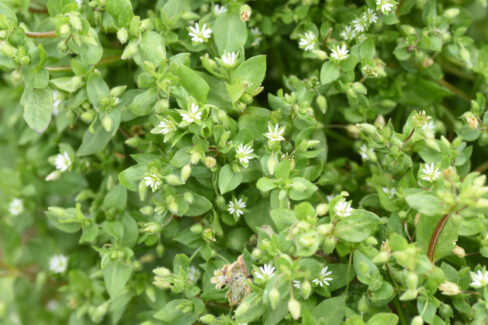
If you’re looking to grow a lush green carpet in your garden quickly, chickweed is your best friend. Thanks to its seeds, this little plant reproduces incredibly fast. With just a few starter plants, you’ll have a beautiful patch of greenery in no time. Here’s the lowdown on how these seeds work and how you can use them to your advantage.
How Chickweed Seeds Grow
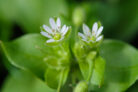
Chickweed seeds develop right from the plant’s flowers. But here’s the cool part: this plant doesn’t just bloom once and call it quits. It produces countless seeds throughout the entire year. In fact, you can spot chickweed flowers almost anytime, except when the ground is frozen solid during a harsh winter.
Because it grows so fast, chickweed goes through several generations in a single year. One single plant can drop up to 15,000 seeds annually! Even if only a fraction of those take root, you’ll have a full garden before you know it. Plus, these tiny seeds are survivors—they can stay viable in the soil for over 50 or even 60 years. If chickweed once grew in a field, the seeds could still sprout decades later.
Quick Facts:
- Seeds are constantly developing from the flowers.
- A single plant produces thousands of seeds every year.
- Seeds can remain “alive” and ready to sprout for about 60 years.
Where to Get Chickweed Seeds
You can actually buy chickweed seeds at many garden centers or online. While some old-school gardeners still think of it as a weed, more and more people are realizing it’s a delicious addition to salads. Its popularity is definitely on the rise!
You’ll also find these seeds marketed to bird owners, as they’re a favorite snack for parakeets and other feathered friends. Since the plant is such a prolific seed-producer, they are usually very budget-friendly. Of course, if you already have some growing nearby, you can just harvest the seeds yourself for free.
Growing Chickweed from Seed
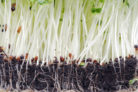
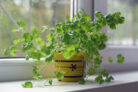
If you want to start your own patch, you can simply harvest seeds from an existing plant. You can either pull up the whole plant or just gather the ripe seeds. Let them dry out a bit, and then I recommend starting them on a sunny windowsill.
Once they’ve sprouted, you can transplant them outdoors or just keep them as a handy indoor herb. Chickweed is super hardy and low-maintenance. It’s not picky about pH—it grows in neutral, slightly acidic, or slightly alkaline soil. However, it really thrives in moist, nutrient-rich dirt. Keep those two things in mind (moisture and nutrients), and your chickweed will be very happy.
On the flip side, if chickweed starts popping up where you don’t want it, there are easy ways to manage it. You can limit its spread by using specific fertilizers or by simply tucking in some mulch or leaf litter to keep the seeds from seeing the light of day.