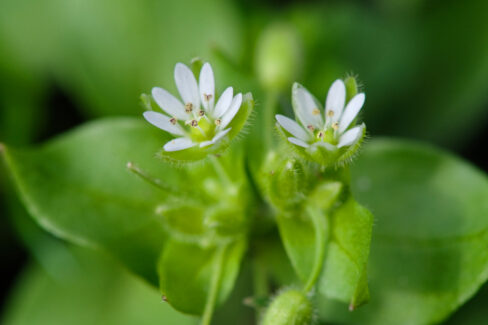
Chickweed is edible and tastes amazing in salads or mixed into a herb butter. But there are plenty of other reasons to go hunting for this little plant! Here’s how you can safely identify it and make sure you don’t accidentally pick the wrong thing.
Where to Find Chickweed
Chickweed is super adaptable and can grow just about anywhere, but it does have a few preferences. It loves moist, nutrient-rich soil and is often one of the first plants to take over a patch of fallow ground. If you’re looking for a quick harvest, some spots are definitely better than others.
Common places to find chickweed:
- Gardens and flower beds
- Along roadsides and paths
- Near rubble or waste sites
- In lawns and meadows
Key Features of Chickweed
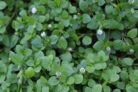
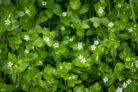
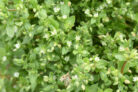
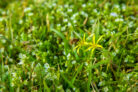
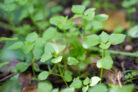
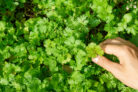
At first glance, chickweed looks like a pretty unassuming little plant. However, once you know what to look for, it’s actually quite easy to tell apart from its neighbors. Take a look at some photos and keep these specific traits in mind, and you’ll be identifying it in the wild like a pro in no time.
What chickweed looks like:
- Size: Usually 4 to 15 inches tall
- Growth habit: Spreads out like a lush green carpet
- Flowers: Tiny, numerous white flowers (they look like little stars!)
- Seeds: Found in small capsule fruits
- Stems: Thin, green, and slightly succulent
- Lifespan: It’s an annual plant
Common Look-alikes to Watch Out For
There are other types of “chickweeds” or stitchworts out there. While mixing them up isn’t usually dangerous, most of them don’t taste nearly as good as the real deal. For the best flavor in your salads or recipes, you’ll want to stick to common chickweed. It’s often confused with Greater Stitchwort or Giant Chickweed.
The most important distinction, however, is Scarlet Pimpernel. You definitely want to avoid this one because it contains saponins, which are considered toxic. Botanically, it’s classified as mildly poisonous. Before you head out to forage, do a quick image search for Scarlet Pimpernel so you can spot the difference—it’s the best way to stay safe!
Tips for a Successful Harvest
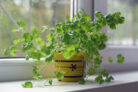
If you want to skip the guesswork and the long walks, the easiest thing to do is just grow it yourself! You can buy chickweed seeds and plant them right in your garden. Before you know it, you’ll have a beautiful green carpet of fresh leaves ready for harvesting whenever you want.
Just a heads-up: this plant spreads fast! If you don’t want it taking over your entire yard, you might need to look into ways of controlling or containing chickweed. But with a few simple tips, it’s totally manageable.