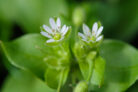
Ever since people rediscovered that chickweed is actually edible, this little plant has been making a huge comeback in home gardens. If you’ve been wondering what all the fuss is about, you’re in the right place! Today, I’m breaking down why this “weed” is a nutritional powerhouse and how you can use it to level up your cooking. Trust me, with these tips, you’ll be looking at your garden floor in a whole new way.
The Perks of Growing Chickweed
Unlike a lot of garden favorites that call it quits when the temperature drops, chickweed is a real trooper. It grows almost year-round, and you can even harvest it on milder winter days. As long as the ground isn’t frozen solid, you’ll likely find plenty of lush green leaves. That said, the prime harvesting window is from March through October, giving you a massive window to enjoy everything this plant has to offer.
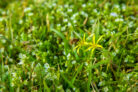
The best part? You can harvest and use chickweed whenever you want. There’s no need to stop once it starts blooming—which is good news, because you’ll find chickweed flowers popping up pretty much all year long. Once you have a little patch established, it spreads fast. You won’t have to worry about over-harvesting; this plant is a pro at bouncing back.
A Nutritional Powerhouse in Your Backyard
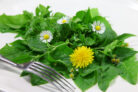
Chickweed doesn’t just taste great; it’s a nutritional heavy-hitter. Adding these leaves to your meals is an easy way to sneak in extra vitamins and minerals. It’s a fantastic addition to fresh salads or mixed into a herb cream cheese or quark. To give you an idea of how healthy it is: just 50 grams (about two ounces) of chickweed leaves provides your entire daily requirement of Vitamin C! Plus, it’s a great source of plant-based protein.
Here’s a quick look at what’s inside this wild herb:
- Vitamin A
- Vitamin C
- Magnesium
- Phosphorus
From Garden Carpets to Pesto and Salads
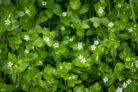
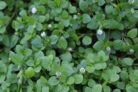
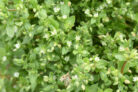
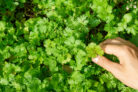
When you head out to harvest, you’ll usually find a lush green carpet waiting for you. A single plant can produce up to 15,000 seeds in a year, which is why it creates those thick green mats across your lawn or garden beds. Don’t be afraid to give it a “haircut”—just snip the tops and toss them into your favorite salad for a fresh, earthy flavor boost.
Once you’ve harvested an area, give it a few weeks and you’ll see fresh new shoots popping up in the same spot. If you’re looking for something beyond a salad, chickweed makes an incredible pesto. Just blend it with some high-quality oil, pine nuts, Parmesan, and garlic for a delicious twist on the classic recipe.
Boost Your Smoothies with Chickweed
If you’re a fan of green smoothies, chickweed is about to be your new best friend. Its mild flavor makes it the perfect “booster” for your morning drink, packing it with Vitamin A and Vitamin C. Some herbalists even swear by its healing properties; the aucubin found in the leaves is said to help strengthen the immune system. It’s a simple, natural way to give your body a little extra love!