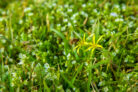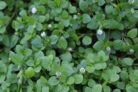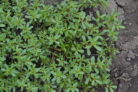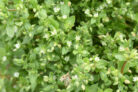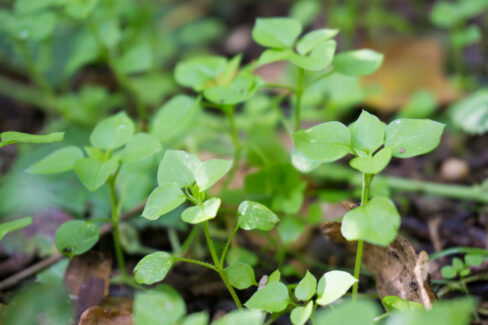
Chickweed spreads like wildfire, often popping up exactly where you don’t want it. If you don’t stay on top of it, you’ll soon find a thick green carpet taking over your backyard. But don’t worry—I’ve got some great tips to help you get this plant under control and reclaim your garden beds.
What a Chickweed Explosion Tells You
If chickweed is suddenly everywhere in your green paradise, it’s actually giving you a little hint about your soil. This plant absolutely loves damp ground that’s packed with nutrients. A massive breakout usually means your soil is very high in nitrogen. Interestingly, it’s not too picky about pH—it’ll happily grow in both slightly acidic and slightly alkaline dirt.
Chickweed is famous for its ability to invade the middle of a lush lawn. You’ll also find it hanging out in vegetable patches or tucked between your prize-winning flowers. If the conditions are right, it’ll quickly colonize any bare patches of earth, creating a dense green mat before you know it.
Hand-Weeding: The Old-Fashioned Way
You can definitely pull chickweed by hand, but I’ll be honest: it’s a bit of a chore and comes with some caveats. If you want to win the battle by weeding, timing is everything. You need to get in there as early as possible. If you wait too long, the chickweed gets tangled up with your flowers, and you might accidentally rip out your “good” plants along with the weeds. Even after you’ve cleared the plants and roots, chickweed seeds often linger in the soil. Be prepared to do a few rounds of weeding throughout the season to keep things clear.
Tips for successful weeding:
- Make sure to pull the entire plant out of the ground.
- Don’t leave those shallow roots behind!
- Keep at it—consistency is key.
Mowing Your Way to a Cleaner Lawn
Regular mowing is a fantastic way to prevent chickweed from taking over your grass. Try to keep your lawn cut relatively short. By doing this, you prevent the chickweed from flowering, which stops it from dropping seeds and spreading further. If you really want to show it who’s boss, regular dethatching (verticutting) will make it much harder for chickweed to gain a foothold in your turf.
How to Prevent a Comeback
Another smart way to fight chickweed is to change the environment it loves so much. You can use specific fertilizers to make the soil less “chickweed-friendly.” Try applying calcium cyanamide in late summer and a potash fertilizer in the spring.
In your flower beds, mulch is your best friend. A good layer of bark mulch, fallen leaves, or even straw can keep chickweed at bay by blocking the sunlight the seeds need to germinate. Some gardeners swear by landscape fabric or plastic sheeting, but just a heads-up: soil can dry out pretty quickly under plastic, so keep an eye on your moisture levels if you go that route.