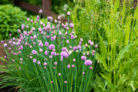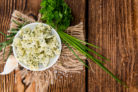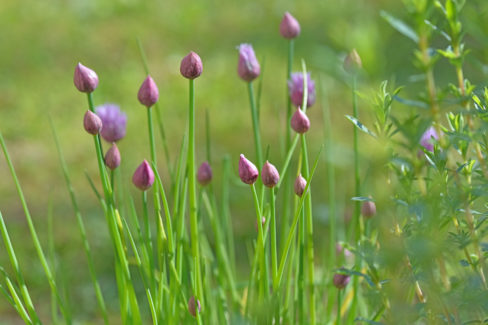
Did you know that chives are almost entirely edible? Most people just stick to the green stalks, but you can absolutely eat the buds, too! In fact, they make a fantastic substitute for capers when pickled. If you’ve got a patch of chives in your garden, don’t let those little flower heads go to waste. Here’s my favorite way to preserve them.
How to Pickle Chive Buds the Right Way
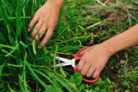
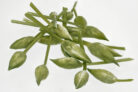
To get started, you’ll need to harvest your chive buds. Pro tip: head out to the garden in the early morning when the flavor is at its peak. Look for buds that are still tightly closed and firm. If they’ve already started to open, don’t worry—you can let them bloom and eat the flowers later or find other ways to preserve them.
For a standard 7 oz (200 ml) mason jar, you’ll need:
- 2 oz (50 g) chive buds
- 2/3 cup (150 ml) white wine vinegar
- 1 tbsp honey
- 2 tsp mustard seeds
- 1/2 tsp peppercorns
- 1/4 tsp salt
Feel free to get creative here! You can add garlic or fresh herbs like rosemary, thyme, or tarragon to the mix. You can also swap the white wine vinegar for apple cider or red wine vinegar if you want a different flavor profile.
Making Your “Poor Man’s Capers”
When stored in a cool, dark place, these pickled buds will stay fresh for up to a year. If you have a huge harvest, I recommend using several small jars rather than one giant one. Once you pop the seal, keep them in the fridge and use them up fairly quickly.
Here’s the step-by-step:
- Sterilize your jar and lid. You can either boil them in water for 5 minutes or pop them in the oven at 285°F (140°C) for about 15 minutes.
- Give your chive buds a good wash and pat them dry thoroughly.
- Pack the buds into your sterilized jar.
- Combine the vinegar, honey, and spices in a small pot and bring the mixture to a boil.
- Pour the boiling brine over the buds until they are completely submerged.
- Seal the jar immediately.
Give them about two weeks to brine before your first taste test. They are incredible with meat, fish, or a cheese board, and they add a lovely zing to pasta dishes and salads!