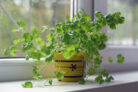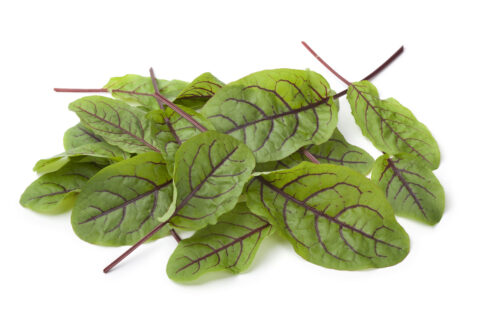
With its stunning red-veined leaves, Bloody Dock (also known as Red-Veined Sorrel) is becoming a real favorite in home gardens lately. It’s one of those fantastic “double-duty” plants that works just as well in a decorative flower bed as it does in a veggie patch. Whether you’re looking to spruce up your landscaping or add some homegrown flair to your cooking, this plant has a lot to offer—both in the kitchen and in traditional herbal medicine.
What’s Inside Bloody Dock?
Bloody Dock is packed with various compounds that can affect the body in different ways. Here’s a quick breakdown of what you’ll find in those pretty leaves:
- Tannins: These have an astringent effect (they help tighten tissues).
- Vitamin C: A great boost for your immune system.
- Oxalic Acid: This is what gives sorrel its signature tang, but it can be tough on the kidneys if you overdo it.
Traditional Herbal Uses
Because of those tannins, Bloody Dock has historically been used to help treat minor wounds; they act as an astringent to help stop bleeding and keep bacteria at bay. They’re also known to help with inflammation in the mouth or digestive tract. We all know Vitamin C is a powerhouse for fighting off fatigue and keeping our defenses up.
However, a quick word of caution: Oxalic acid—which is most concentrated in the stems and older, flowering plants—can lead to kidney issues if eaten in large quantities. It can also interfere with how your body absorbs iron.
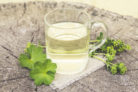
Despite that, natural healers have long valued Bloody Dock. It was a staple in “spring tonics” because it’s thought to purify the blood and give the body a kickstart after winter. It’s also a natural diuretic and can help stimulate a sluggish appetite.
In the Kitchen
One of the best things about Bloody Dock is that it handles winter like a champ, meaning you can harvest it from early spring all the way through fall. Because the leaves are so striking, they look amazing tossed into a fresh green salad. You can also finely chop them to use as a raw garnish for soups.
If you have young, tender leaves, they are much milder and can be lightly steamed just like spinach. Just remember the golden rule: moderation is key! Keep your portions small to avoid getting too much oxalic acid.
Recipe Ideas for Bloody Dock
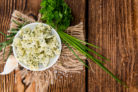
Since it has a lovely, slightly tart flavor, Bloody Dock adds a unique “zing” to salads. To get the most out of it, try to avoid boiling the leaves, as high heat destroys the Vitamin C and other nutrients. It’s much better to eat them raw or very lightly steamed.
Here are a few tasty ways to use those young leaves:
- Stirred into soups just before serving
- Used as a colorful “pop” in light-colored cream sauces
- Tossed fresh into veggie stews
- Blended into green smoothies for a citrusy kick
- Whipped into a vibrant pesto with garlic, pine nuts, and parmesan