Just like the other favorites in your herb garden, chives really thrive when you give them a little TLC with the pruning shears. By knowing when and how to cut them, you can actually control how they grow and keep them tasting great all season long. I’ve broken down everything you need to know about getting those cuts just right.
Why should you prune your chives?
Generally speaking, there are three main reasons you’ll find yourself reaching for the scissors:
- To harvest some fresh flavor for your kitchen
- To delay flowering (which keeps the stems tender)
- To encourage more blooms for next year
Chives are tough perennials that overwinter outdoors without much fuss. A good fall pruning helps them get through the cold months and lets you decide if you want a bumper crop of flowers or a focus on foliage the following spring.
The best way to harvest chives
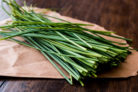
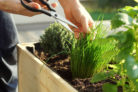
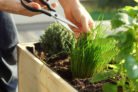
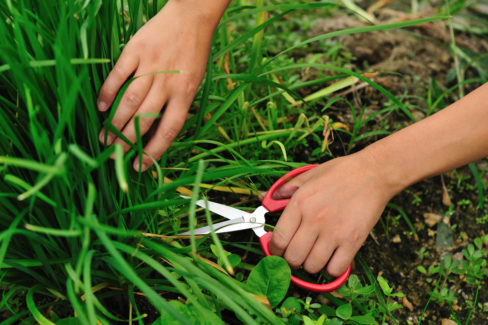
For the best flavor, try to harvest your chives in the morning—that’s when the essential oils are most concentrated and the taste is at its peak. When you’re cutting, try to thin out the bunch systematically to allow for better airflow between the stems. Pro tip: Always leave about an inch (2 cm) of growth above the soil so the plant can easily sprout back.
Pruning chives for the kitchen
Depending on the weather, you might see the first flower buds popping up as early as March. While the flowers are totally edible and look great in salads, they do make the surrounding stems tough and woody. If you want to keep those tender stems coming, prune the plant back regularly once it hits about 6 to 8 inches (15–20 cm) tall. Again, leave about an inch at the base. If you end up with more than you can eat, freezing is a fantastic way to preserve that fresh taste.
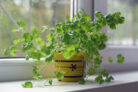
To get your chives ready for winter, give them a full trim in the fall before the stems start to wither. If you can’t imagine winter without fresh herbs, you can propagate your chives by dividing the clump. Replant one half in the garden and put the other half in a pot on a sunny windowsill—it’ll sprout new growth in no time!
Pruning chives for beautiful blooms
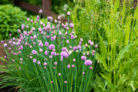
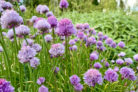
Chives aren’t just for baked potatoes; they look gorgeous in flower beds too! If you’re growing them for their purple pom-pom flowers, wait until late fall to prune. To get even more blooms next year, wait until the foliage has completely died back before cutting it down to the ground.
How to handle chive blossoms and buds
When you’re ready to eat the buds or flowers, snip them off as close to the base of the flower head as possible. You usually want to enjoy the flower without the tough, woody stalk it grows on. After you’ve harvested the bloom, go ahead and trim that remaining flower stalk down to about an inch above the soil.