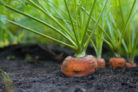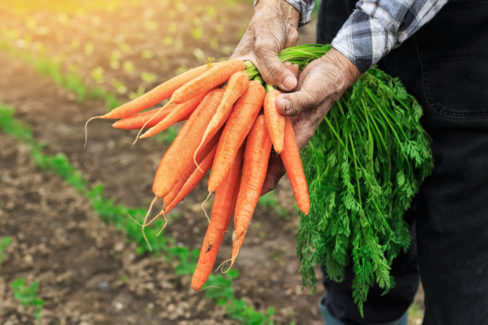
Carrots are one of those incredibly versatile veggies that work just as well in a savory stew as they do in a sweet carrot cake. The carrot season actually kicks off pretty early in the year, and depending on when you pull them out of the ground, you can use them in all sorts of different ways.
Eat Early Harvests Right Away
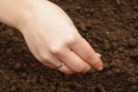
You’ll start seeing those cute bunches of baby carrots in grocery stores as early as May. In a home garden, the season usually starts a bit later—typically late June—since most of us grow them directly in the soil rather than under commercial plastic sheeting. If you want to get a head start, you’ll need to pick the right variety and get those seeds in the ground as early as possible.
You can start sowing outdoors under a garden fleece in March. Pro tip: try planting them in a raised bed! Raised beds warm up much faster in the spring, which gives your carrots the boost they need for quick growth. If you’re really eager, you can even set up a small low tunnel (a mini greenhouse) to create a cozy microclimate. Just keep a close eye on those delicate seedlings so they don’t dry out.
Harvesting All Summer Long
By staggering your planting dates and choosing different varieties, you can enjoy freshly harvested carrots all summer. Early harvesting is also a great trick if you’ve sown your storage carrots too close together. Instead of just thinning them out and tossing the extras, you can pull them while they’re young and tender to make room for the others to grow.
Once you’ve cleared out the “babies,” the remaining carrots will have the space they need to reach full size. Aim for at least 2 inches of space between individual carrots, with rows spaced about 12 to 16 inches apart. This gives the plants plenty of room to breathe, and the lush green tops will actually shade the soil, helping to keep moisture from evaporating too quickly.
Harvesting Storage Carrots
Fall is the prime time for storage carrots. These are usually harvested in October, just before the first hard frost hits. However, you can actually overwinter carrots right in the garden bed! To do this, you’ll need to pile on a thick layer of mulch in the fall. This insulating blanket protects the roots from freezing; otherwise, they’d turn to mush and rot once the ground thaws.