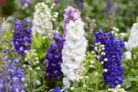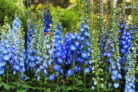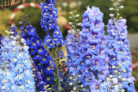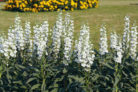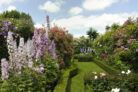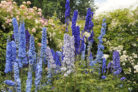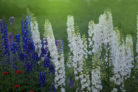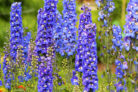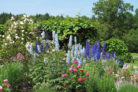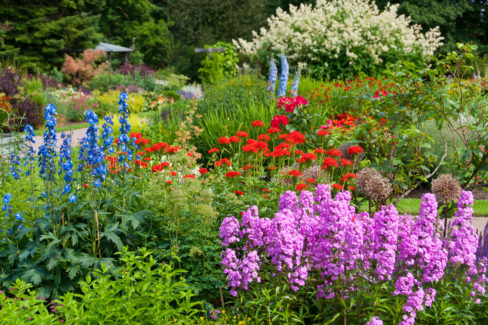
It’s hard to imagine a classic backyard garden without the stunning blue and white spikes of Delphinium. These perennials have been a garden staple for centuries, and for good reason—reaching heights of up to five feet, they really know how to make a statement! If you’re looking to add some of this “Larkspur” magic to your own flower beds, you’ll just need to make sure you have a sunny spot, plenty of elbow room, and some seriously rich soil.
Picking the Perfect Spot
Every gardener’s goal is to get those massive, show-stopping blooms. To make that happen, you’ll want to keep a few key things in mind when choosing where to plant:
- Delphiniums are total sun-worshippers.
- They need plenty of space to breathe.
- They thrive best in nutrient-rich, fertile soil.
Soak Up the Sun
When it comes to light, the more the merrier! Delphiniums are happiest in full sun, and that’s exactly what they need to produce those iconic, dense flower spikes. While they *can* grow in partial shade, the blooms won’t be nearly as impressive. Plus, without enough sunlight, the plants become much more susceptible to powdery mildew and other pesky diseases.
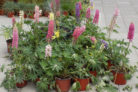
One pro tip to remember: even though they love the sun on their “heads,” they hate having “hot feet.” To keep the roots cool, make sure to mulch around the base of the plant. If you’re growing them in containers, stick to clay or terracotta pots rather than plastic to help regulate the temperature.
Give Them Some Breathing Room
Even though Delphiniums like cool roots, don’t try to achieve that by planting dense groundcovers around them. These perennials are a bit “territorial” and don’t like competing for nutrients or space. Aim to leave about three feet of space between each plant so they have room to shine.
Feed the Soil
You’ll want to keep your Delphiniums consistently moist—check on them once the top layer of soil feels dry. Just be careful not to overwater, as they don’t like sitting in soggy ground. Ideally, your soil should be loose, well-draining, and packed with organic matter.
If your garden has heavy clay or very sandy soil, don’t worry! Just work in a healthy amount of compost and some organic fertilizer like horn meal or aged manure. Giving them that extra nutritional boost will ensure you get a spectacular floral display all season long.
delphininium