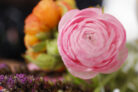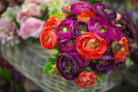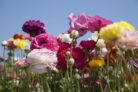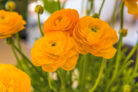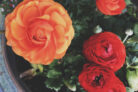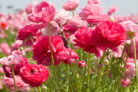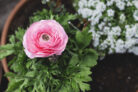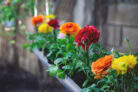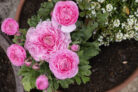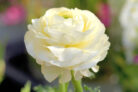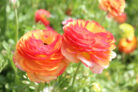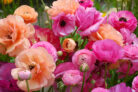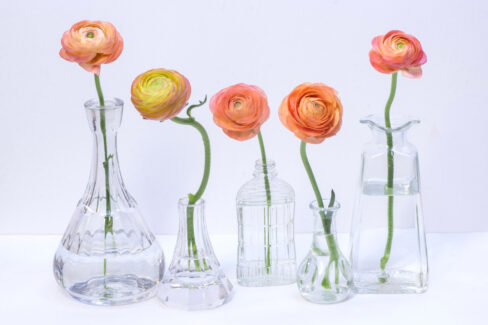
Originally from Asia, these lovely spring flowers don’t just add a pop of color to your garden beds—they’re also absolute superstars as cut flowers, bringing a cheerful vibe right into your home.
Ranunculus as Cut Flowers
You’ll start seeing ranunculus show up in flower shops pretty early in the year. Most of these come from Dutch greenhouses and are available in a stunning array of colors, including:
- Red
- White
- Pink
- Yellow
- Purple
- Bicolor (variegated)
These spring messengers come in double, semi-double, and single-flowered varieties. Thanks to some serious breeding work over the years, the variety of shapes and colors is so huge that there’s truly a ranunculus for everyone’s taste. When it comes to floral arrangements, the possibilities are endless! If you’re growing them yourself, your garden ranunculus will start blooming in May. Their season usually lasts through June, but you can actually stretch that out by deadheading (pinning off) the wilted blooms regularly to encourage the plant to produce even more buds.
Growing Ranunculus for the Vase
With a little TLC, your garden ranunculus will produce large, gorgeous blooms that look amazing in a vase or as the centerpiece of a spring bouquet. The pro tip for cutting them is to wait until the petals are just starting to show color but the center is still tightly closed. Cut the stems as low as possible, give them a fresh diagonal snip, and pop them straight into clean water. To keep them looking fresh for up to 14 days, trim the stems slightly and change the water every two days. A little splash of lemon juice in the water acts as a great natural flower food! Just keep in mind that they prefer a cool room—they aren’t big fans of drafts or sitting right next to a heater.
Ranunculus look stunning on their own, in clusters, or mixed with other spring favorites. Some of my favorite “roommates” for them in a vase include:
- Tulips
- Iris
- Carnations
- Chrysanthemums
A Quick Safety Note: Ranunculus are Toxic
Since they belong to the buttercup family, ranunculus are toxic. You’ll want to keep them well out of reach of kiddos and pets—especially cats. This applies to the flowers in the vase, too! If a curious cat nibbles on that tempting greenery, it can lead to poisoning symptoms similar to what humans experience, which definitely warrants a trip to the vet. Watch out for:
- Skin irritation from the sap
- Vomiting or diarrhea
- Lethargy
- Difficulty breathing
- Spasms
- Fainting or, in extreme cases, death