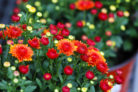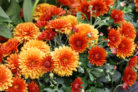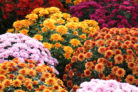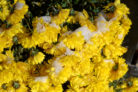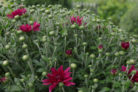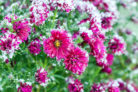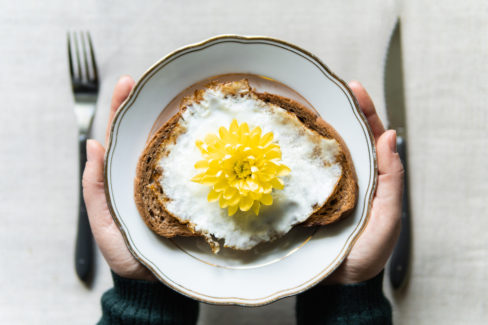
With over 5,000 different varieties out there, chrysanthemums (or “mums” as we like to call them) are a bit of a mixed bag—some are totally edible, while others are definitely not. Since it’s often hard to tell exactly what variety you’ve got growing in your flower bed, I always recommend buying dried leaves from a reputable health food store if you’re looking to brew some tea. If you want to try your hand at growing your own “veggie” mums, you can find seeds specifically for edible varieties at most garden centers.
The Toxic Side of Mums
It’s important to know that some mums contain pyrethrins in their flowers and leaves, which can be toxic. For some folks with sensitive skin, just touching the plant can cause a nasty rash. My advice? Always keep a pair of gardening gloves handy when you’re pruning or handling them.
If someone accidentally eats parts of a toxic mum, they might experience symptoms like:
- Stomach inflammation
- Intestinal upset
- Vomiting
- Muscle cramps
- Vision issues
- Facial flushing or redness
If this happens, drinking plenty of water can help flush out the toxins, but it’s always best to check in with a doctor just to be safe. A big heads-up for pet owners: these plants can be fatal for cats and dogs. If your furry friend takes a nibble, get them to a vet immediately.
The Edible “Salad” Chrysanthemum
The variety you’re looking for if you want to eat your garden is *Chrysanthemum coronarium*. It’s a fast grower that reaches about 3 feet tall, though keep in mind it’s an annual, so it won’t come back next year on its own.
How to Grow Salad Mums
These beauties love a spot with full sun, though they actually prefer a bit of partial shade. Make sure your soil is loose, rich in organic matter, and packed with nutrients. You can start seeds indoors in March (aim for around 60°F), or you can sow them directly in the garden during late summer (August or September). Just make sure to cover the seeds well with soil so they can tuck in for the winter.
Harvesting Your Mums
For the best flavor, you’ll want to use the leaves and flowers right after you pick them. You can start harvesting once the plant is about 8 inches tall. Don’t be shy with the shears—mums handle pruning really well and will keep sending out new growth.
Cooking with Chrysanthemums
The leaves and flowers have a lovely, slightly bitter tang that works perfectly in Asian-inspired dishes. You can eat the shoots and leaves raw or lightly steamed. Chopped up, they make a fantastic substitute for parsley and add a unique kick to soups and salads. The flowers make a gorgeous garnish, and if you’re feeling fancy, try dipping them in pancake batter and frying them up—they’re delicious! Pro tip: remove the white base of the petals to cut down on the bitterness. Just remember, once the plant is in full bloom, the leaves and shoots tend to get too tough and bitter to eat.
Healing Properties
In traditional Chinese medicine, chrysanthemum flowers have been dried and brewed into healing teas for centuries. They’re often used to help with:
- Inflammation
- General aches and pains
- Bronchitis
- Dizziness
- High blood pressure